APPLICATION NOTES / A Popular Science on Footwear Hardware Applications
Footwear hardware
and how it affects looks and fit
When choosing shoes, style, size, and sole are often the first things that catch your attention. A decorative buckle on the shoe upper or a pin buckle on the sandal strap can also affect the overall appearance of the shoe, as well as the comfort of wearing and walking every day. Understanding the functions of these small details and experimenting with them based on your own dressing habits can help you pick out shoes that are attractive, fit well, and comfortable to use.
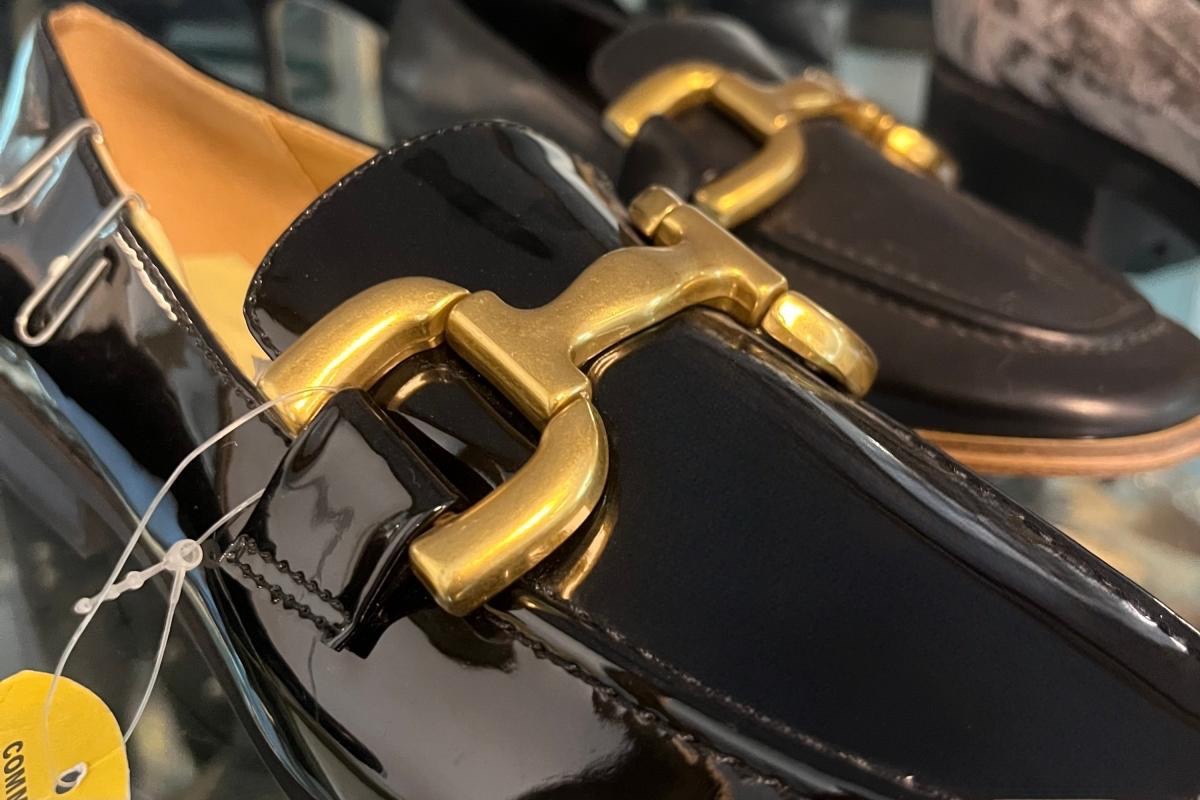
Some accessories are responsible for fastening, while others are used for decoration.
Pin buckles usually adjust sandal straps. Bar ornaments on loafers and embellished buckles on pumps often serve a decorative purpose. For everyday sandals, pumps and loafers, consider how the hardware looks, feels and works when you try them on.
01 / COLOUR & PROPORTION
The color and proportion of hardware can change the overall appearance of a pair of shoes.
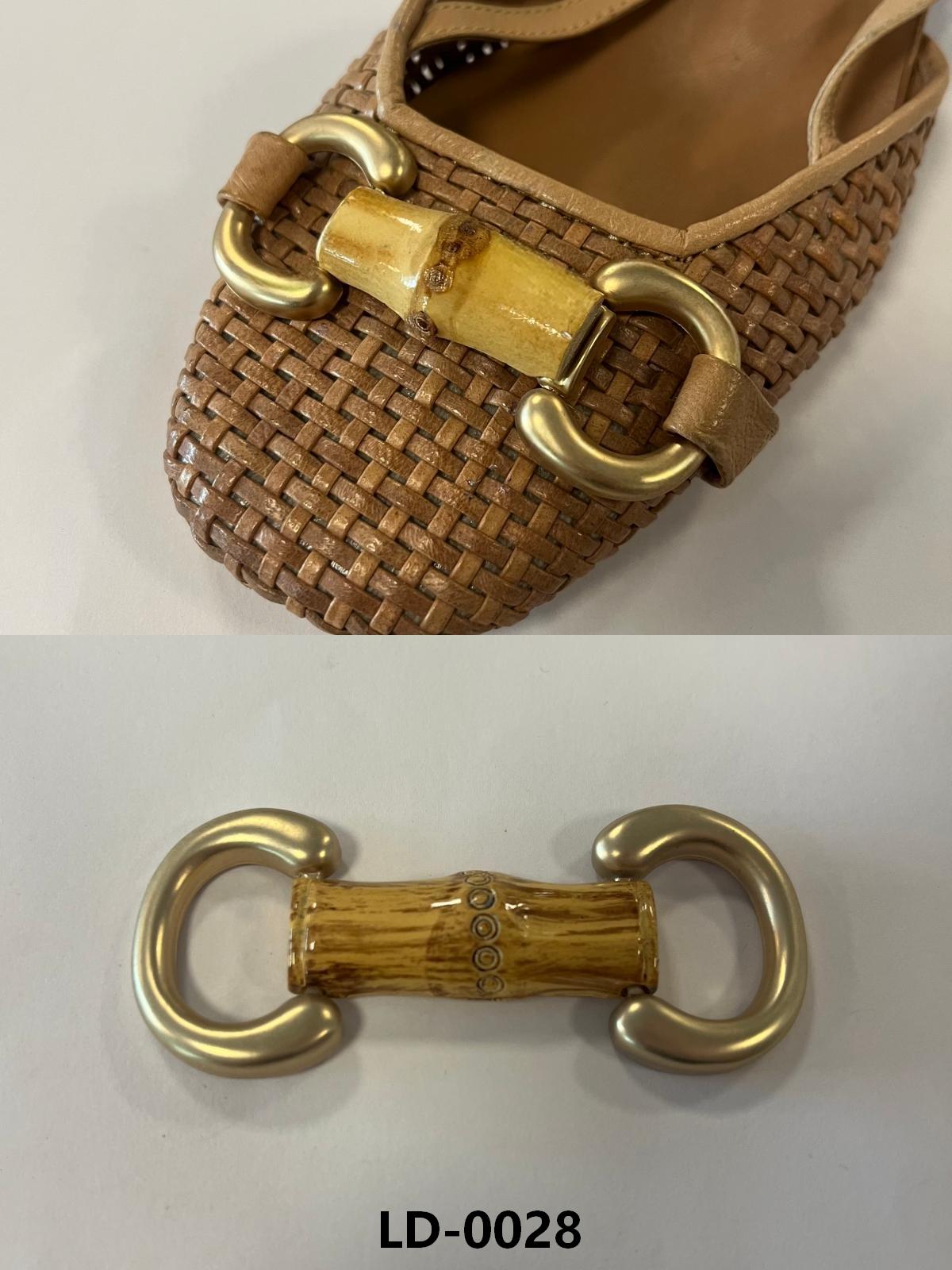
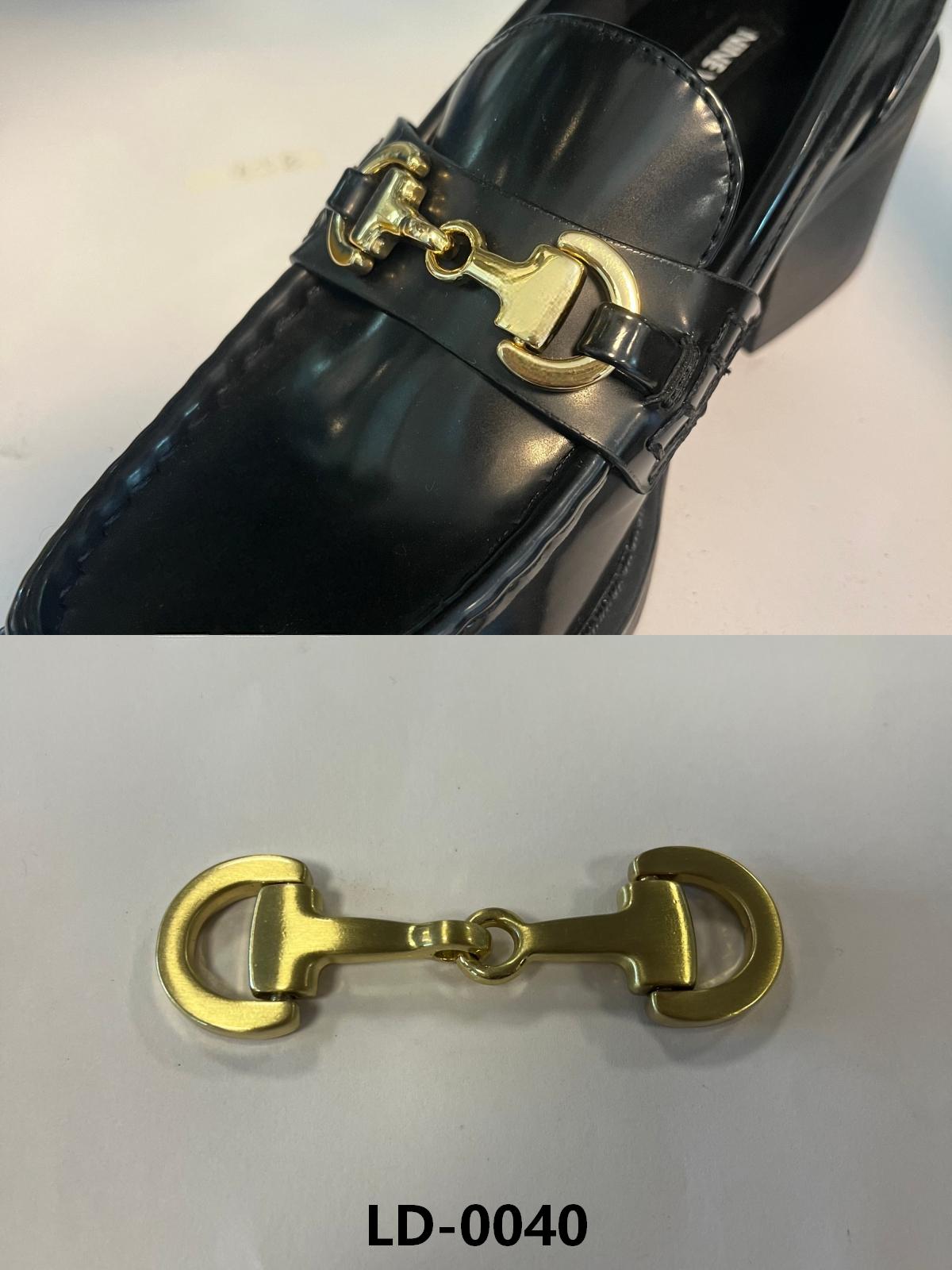
With a plain shoe upper, adding a metal strip makes it easy to draw attention to the back of the shoe. Gold or silver, with either a shiny or softer surface, paired with black leather or brown woven textures, can create different effects. When choosing shoes, consider them in conjunction with your regular clothing, bags, and accessories to see if the metal color blends well with your daily outfit.
The size of the ornaments also affects the proportion of the shoe upper. Wider horizontal ornaments extend across the back of the shoe, making the silhouette more prominent; thinner and smaller accessories leave more space on the shoe upper. When choosing, put on both shoes together and stand up to get a full view of your body. This is easier to determine whether the amount of decoration is appropriate compared to just looking at a single ornament up close.
The ends of the horizontal trim are often secured with leather straps or strips, and the middle can be connected in various ways. This structure adds layers to the shoe surface, but it may not be suitable for opening or adjusting the fit. If you like the appearance, you still need to determine whether the shoe lining, the shoe surface, and the instep fit properly. If the shoe surface has fasteners, it may be necessary to slip the shoe directly onto the foot for wear.
02 / FASTENING & ADJUSTMENT
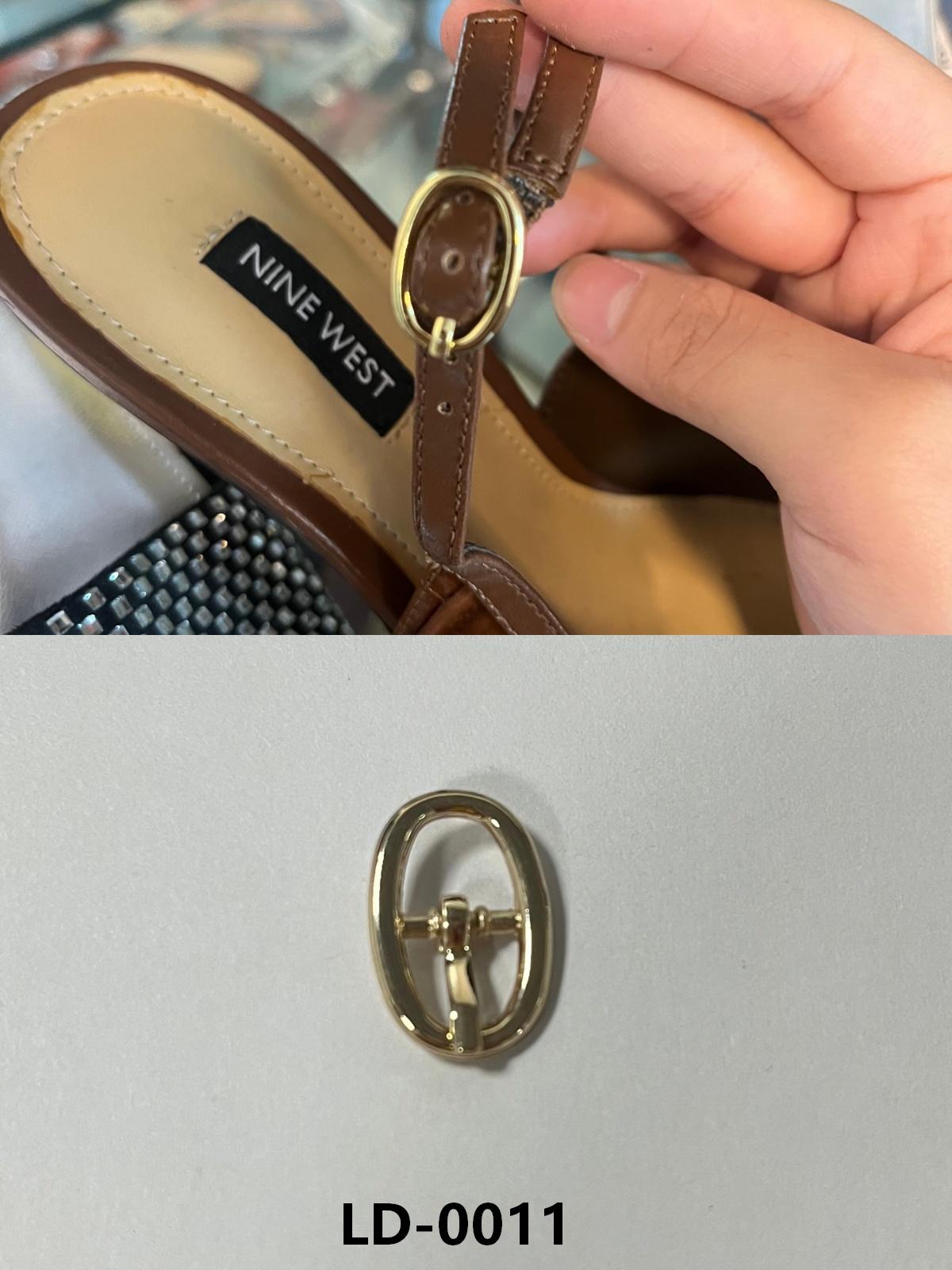
Pin buckle is adjusted according to the hole position. It can be fastened, but it still needs to be worn properly.
In sandals and backless shoes, small buckle frames can often be found on the laces. When wearing the shoes, pass the lace end through the frame, then insert the buckle into the selected lace hole to adjust the length of the laces. The position of the holes determines how much tightness can be adjusted, while the distance between adjacent holes determines the amount of adjustment that can be made each time.
During the fitting process, find the position where the laces naturally fit, then walk a few steps to get a feel for it. If one hole is too tight, switching to the next hole makes it easy to slip off, which indicates that the adjustment range or hole spacing of these shoes may not be suitable for you. It might be awkward to only fit the shoes when they are in the last hole, so pay close attention to whether there is still room for adjustments that you need in daily use.
The dimensions of the buckle should match the width and thickness of the laces. The belt tip should be easy to put on and take off, with the buckle pins able to slide smoothly through the holes. After buckling the laces, there should be a place to store the excess belt tip. For shoes that are worn every day, it's good to manually buckle and unbuckle them to see if it's convenient to operate while bending over, and whether the fingers can grip the belt tip properly.
When the buckle is close to the ankle or the instep, it's also important to feel its position. Standing without discomfort is one thing, but walking or turning over may still cause contact with the skin. Whether there are sharp edges on the metal back, on the edges, or at the fixing points that could cause discomfort needs to be determined through actual trial wear. The ability of the pin buckle to adjust the laces can influence how well the entire shoe fits, but it still depends on the shoe shape and size.
03 / STONE-SET TRIMS
The ornamentation brings luster, and also requires more attention to details.
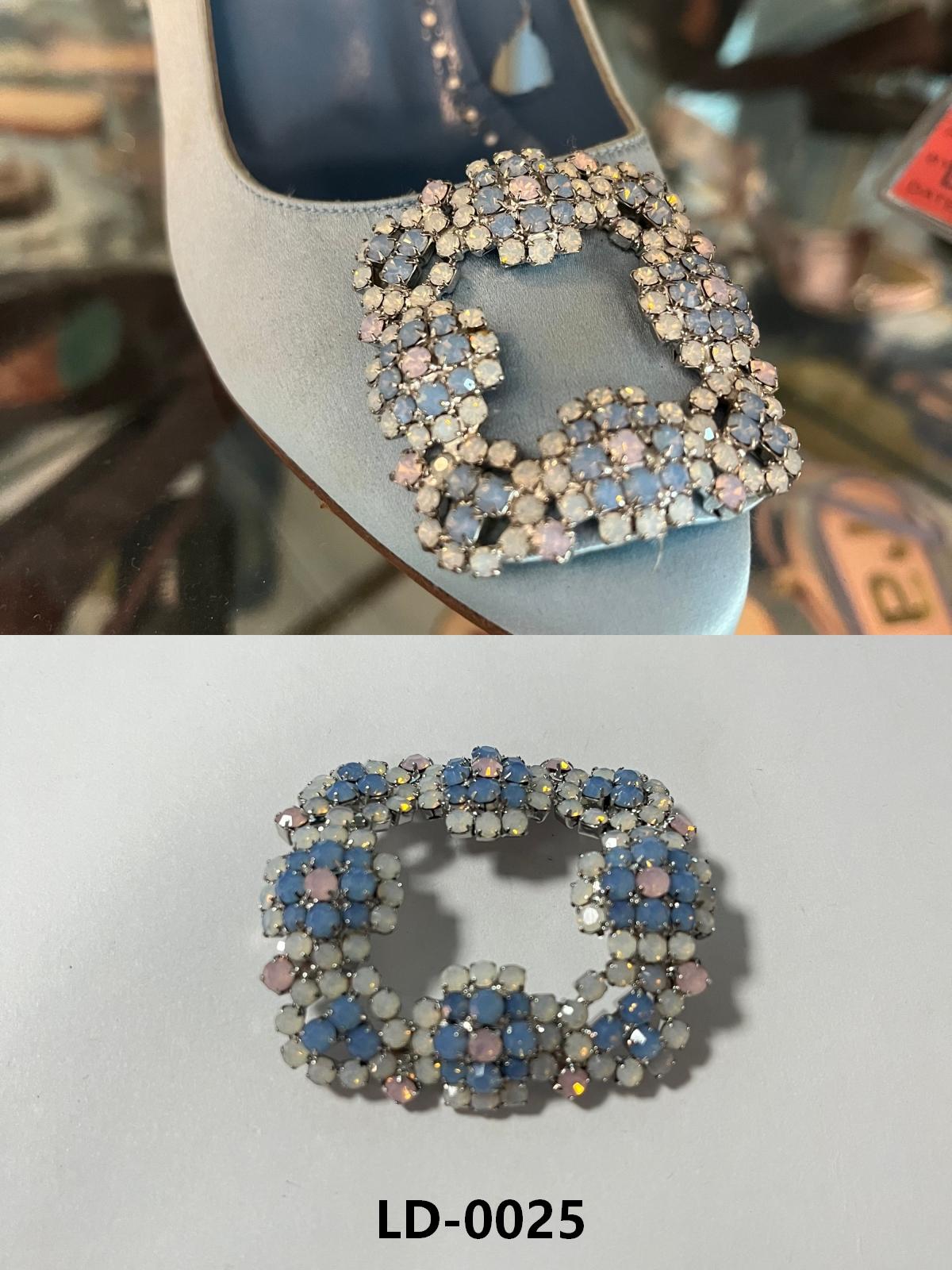
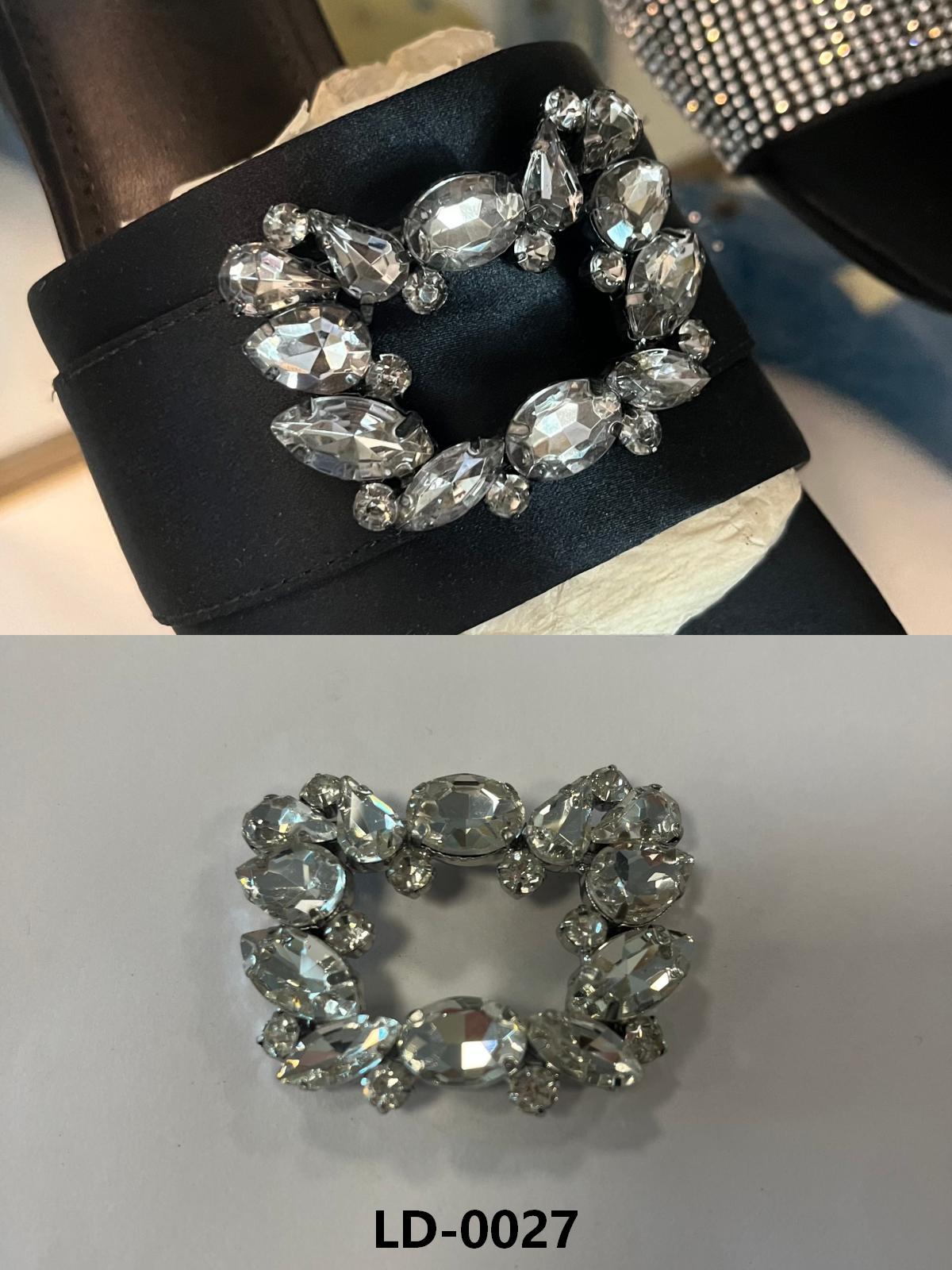
Inlaid shoe buckles create a pattern by combining stones of various shapes, sizes, and colors. A light-colored shoe upper with colored floral inlays adds more color; a dark-colored shoe upper with transparent stones creates a more pronounced contrast between light and dark. For everyday wear, or if you wish to add a touch of shine during gatherings, you can choose according to your clothing and the occasion.
The term "crystal buckle" is often used to refer to this type of accessory. This name does not imply the use of diamonds as decorative stones; rather, it describes the shiny and dazzling appearance of the shoe buckle, which resembles diamonds. The metal base and the decorative stone each contribute to the overall effect. If you prefer a more visually appealing design, you can also check the product label to learn more about the specific materials used.
Inlays are usually higher than the base, and there are small claws or edgings that hold them in place. When choosing a piece, check for any missing or misaligned stones, and whether the edges are noticeably curving upwards. Gently touch the outer edge to see if it may scratch your hands. When wearing long dresses, wide trousers, or fine fabrics, also consider whether the fabric will come into contact with the protruding parts of the shoe.
The upper of the shoe will bend as you walk, while the decorative elements maintain their own shape and hardness. For those with larger decorative buckles, it's worth trying to walk a few more steps to feel whether the forefoot bends without being strained, and whether there is any localized pressure on the instep. Whether you like the decorations and whether you feel comfortable walking are matters that should be experienced firsthand.
04 / LETTERS & DECORATIVE DETAILS
Letters, bead decorations, and fasteners create different details on the shoe surface.
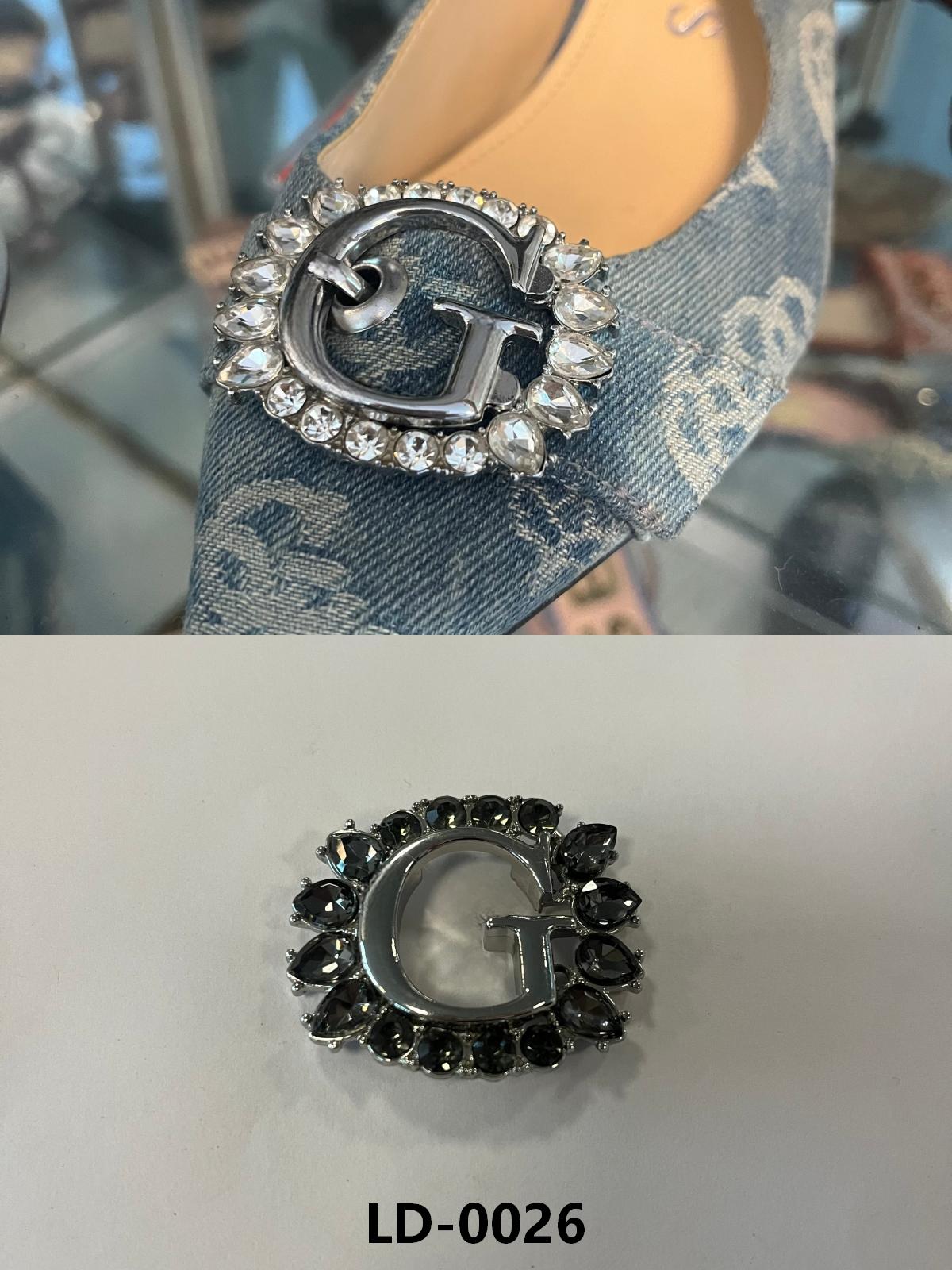
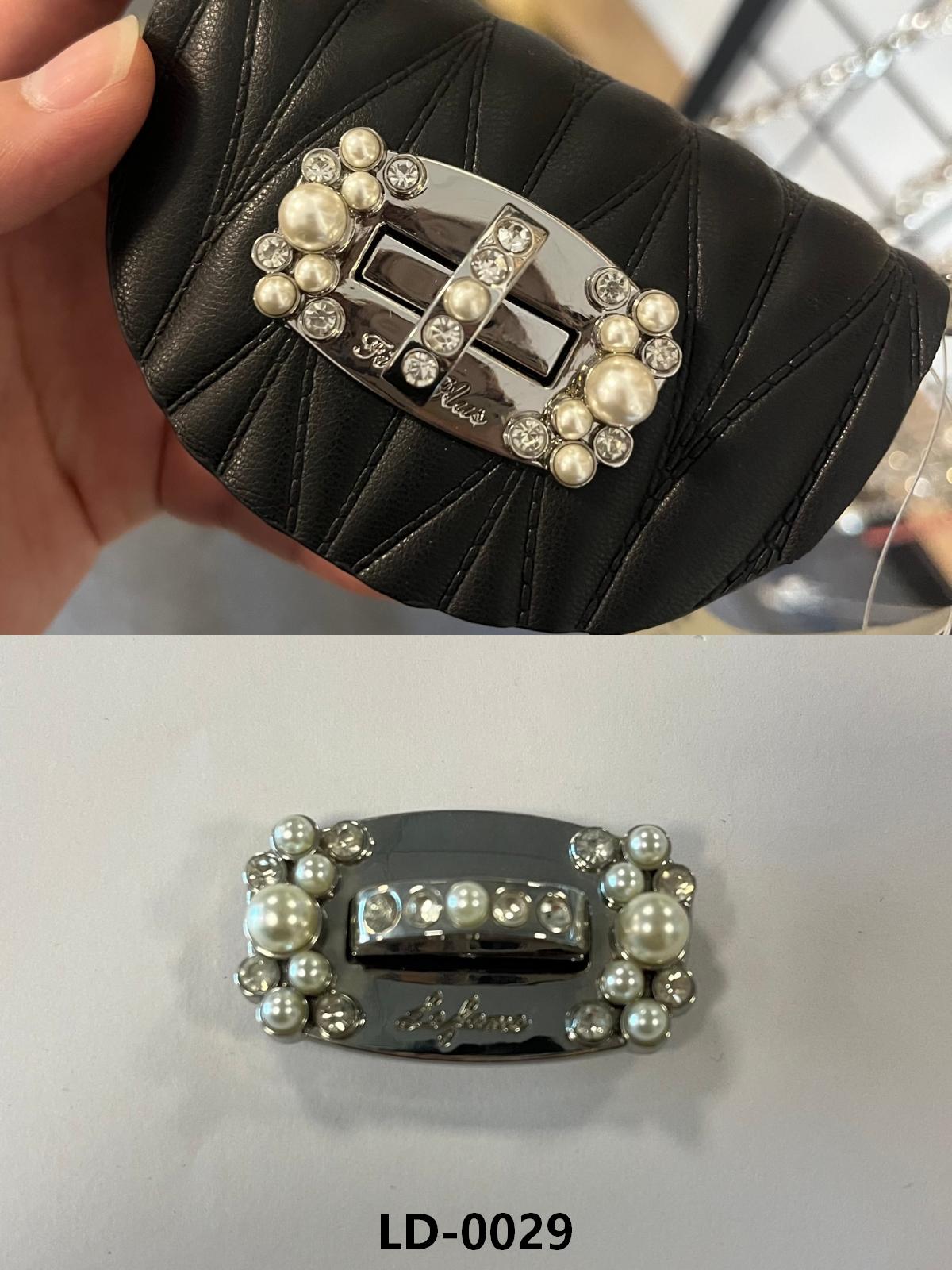
Letters and text can be part of the shoe surface decoration, combined with inlays and metal frames to create a distinct visual center. Rounded bead decorations, when paired with textured stones, can have different levels of luster and shape. When the details of the accessories are rich, they can be considered together with the texture of the shoe surface to determine whether such a combination suits one's preferences.
Some shoe uppers are designed with buckle frames or turn buckles, featuring a hinged structure. When purchasing, it is important to ask whether the decorative structure needs to be operated or detachable, to avoid using the decorative structure as a regular opening. For detachable models, also inquire about the method of reinstallation and the requirements for securing the structure.
During daily activities, these small items may come into contact with the soles of shoes and clothing. It's important to check whether the base fits properly, whether the surrounding leather material is wrinkled, and whether there are any hard spots in the shoe's interior. If you prefer a delicate decoration, you should also be prepared for the necessary cleaning and maintenance. If the beads or stones become loose over time, you can inquire about whether they can be repaired before purchasing.
05 / FINISH & DURABILITY
Looking closely at the edges and fixing points, durability also needs to be considered in conjunction with the product instructions.
The surface quality of hardware can be evaluated from the front, grooves, corners, and back. Any obvious blistering, peeling, exposed underlayers, or rough seams should be checked with the seller. The buckle frames that are accessible to fingers, the inner side where shoelaces pass through, and the back near the skin should be treated to ensure a smooth finish. Even new shoes with a shiny surface still require inspection of these inconspicuous areas.
The fixing points are also related to usage. The pin buckle bears the tensile force through the holes, shoelaces, and connection parts; while the decorative elements rely on their own base and the fixation on the shoe surface to maintain their position. It is possible to gently inspect the items within the permitted range by the seller to check for any obvious looseness, whether the fixing pieces are lifting, and whether the surrounding stitching and leather material are intact. Pulling with force by hand can not only damage the product but also cannot replace the specialized strength testing.
The metal parts on shoes may come into contact with sweat and moisture, and they are also subject to friction during wearing, walking, and storage. Durability, corrosion resistance, the strength of the fasteners, and the durability of the ornaments are different properties that require consideration in conjunction with materials, structure, surface treatment, and corresponding testing. Gold and silver are merely descriptive terms for appearance. It is impossible to determine the internal materials used or the lifespan of the product based solely on color or weight.
When purchasing, you can learn about the materials, care requirements, and maintenance methods. If the seller provides a testing guide, be sure to read it carefully regarding the corresponding model, components, and testing items. Cleaning should be done according to the care instructions for the entire pair of shoes. The materials of the upper, metal surfaces, and embellishments may have different requirements. Avoid using unknown cleaning agents to clean them yourself.
06 / CHOOSING & TRYING ON
When choosing shoes, consider both the desired appearance and the daily activities you will perform.
First, think about the occasions in which these shoes are primarily used. When commuting and walking, it's important to experience the movement of the instep and the tightness of the laces. For gatherings or pairing with skirts, you can compare the shine of the embellishments and whether the fabric matches well. When worn repeatedly every day, whether the fastening is easy to button will also affect the willingness to use them. Once the purpose is clear, it becomes easier to make choices between style and convenience.
Wear two shoes together and stand up to take a look.
Take a look at the proportion of hardware on the entire pair of shoes, its position on the left and right sides, and how it complements the outfit. Examine the decorative details up close, as well as the overall effect when combined with the entire outfit. You can compare these aspects together.
2. Close it by hand and try the adjacent holes again.
For styles with pin buckles, make sure the common holes are properly secured. The belt tip can be easily fastened. If the buckling is difficult, or if the tightness always seems off, it's worth comparing with other shoe models.
3. Take a few steps, turn around, and feel the instep
Check whether the metal backing or its attachment presses on the foot. Look for ornaments that pull on the upper, rub or make noise. For online purchases, try the shoes indoors in accordance with the seller’s return policy.
4. Check the fixed parts and inquire about maintenance and repair.
Observe whether the edges, backs, and decorations are intact. Ask about the materials used and cleaning requirements. Also, consider whether the loose or fallen decorations can be repaired or replaced. Take into account future usage as well.
Hardware can add character to shoes, and may also introduce additional steps and maintenance requirements. A well-fitting shoe shape and appropriate size remain the foundation for choosing shoes. On top of that, a properly adjusted strap, smooth finishing of accessories, no noticeable interference during walking, and a look that you like make it easier to become a pair of shoes you wear regularly.