Types of Handbag Hardware
Create a handbag with a flap and a detachable shoulder strap. The flap should be equipped with a lockable buckle. The ends of the shoulder strap should be equipped with hooks for hanging. There should also be space on the side of the bag for hanging loops. Even if only one loop is changed, the original hooks might not be able to be attached properly. Below, we will use the existing designs from Longde Hardware to describe what accessories will be used for the bag’s opening, handles, shoulder strap, and bottom of the bag. Also, we will mention where to look when getting the samples.
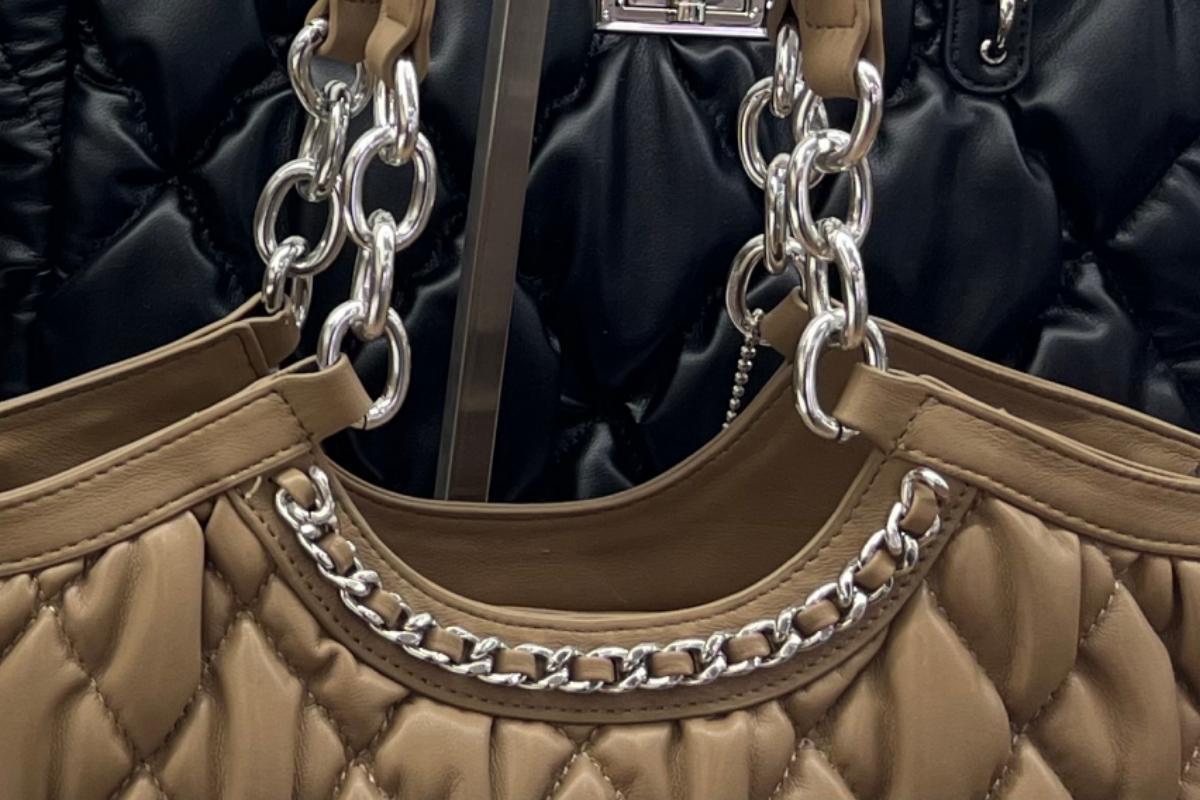
Buckle or pin buckle used for flip covers, zipper with pullers
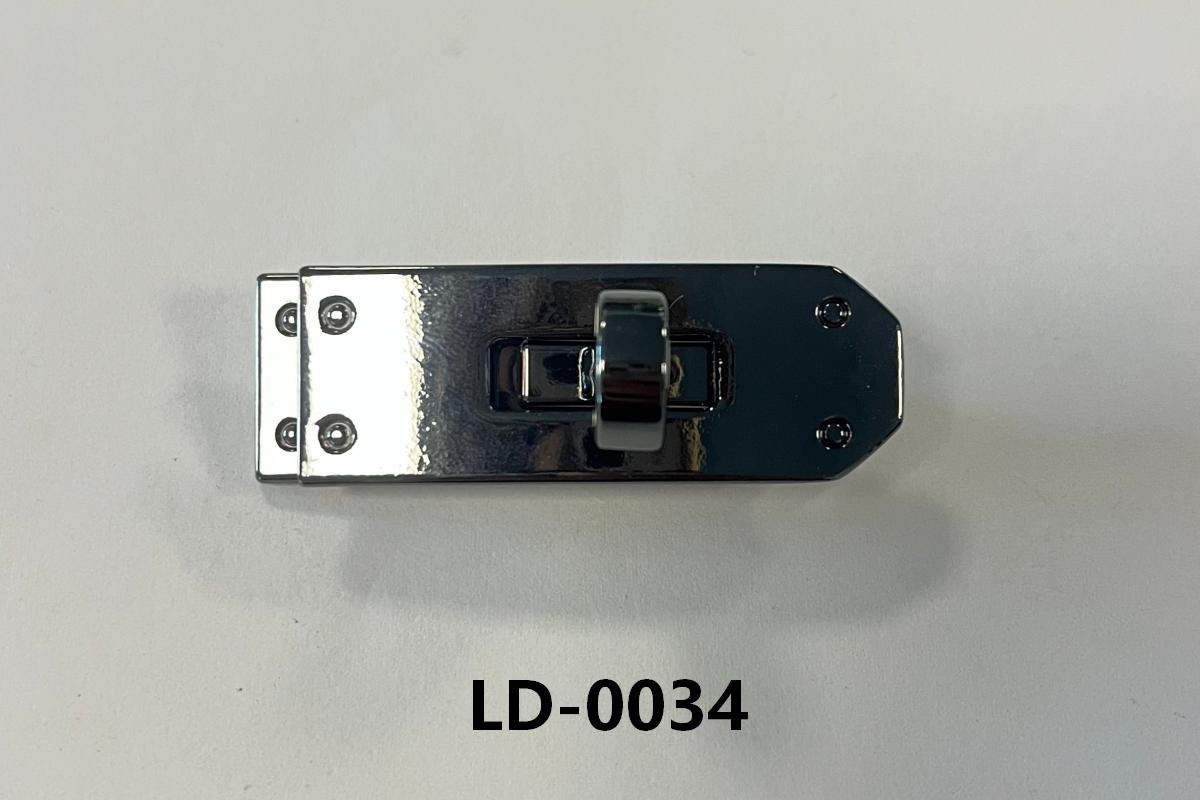
For making a flip cover, you can refer to Longde Hardware's LD-0034 flip buckle lock. When closing the cover, the buckle should align perfectly with the base of the bag body. During prototyping, assemble the two parts using actual bag material. Try opening and closing the cover several times to see if you need to use your hand to straighten the cover when buckling it, and whether there is enough space for your fingers to grip when unclipping it. If the cover has a layer or padding, also consider the thickness of that layer or padding.
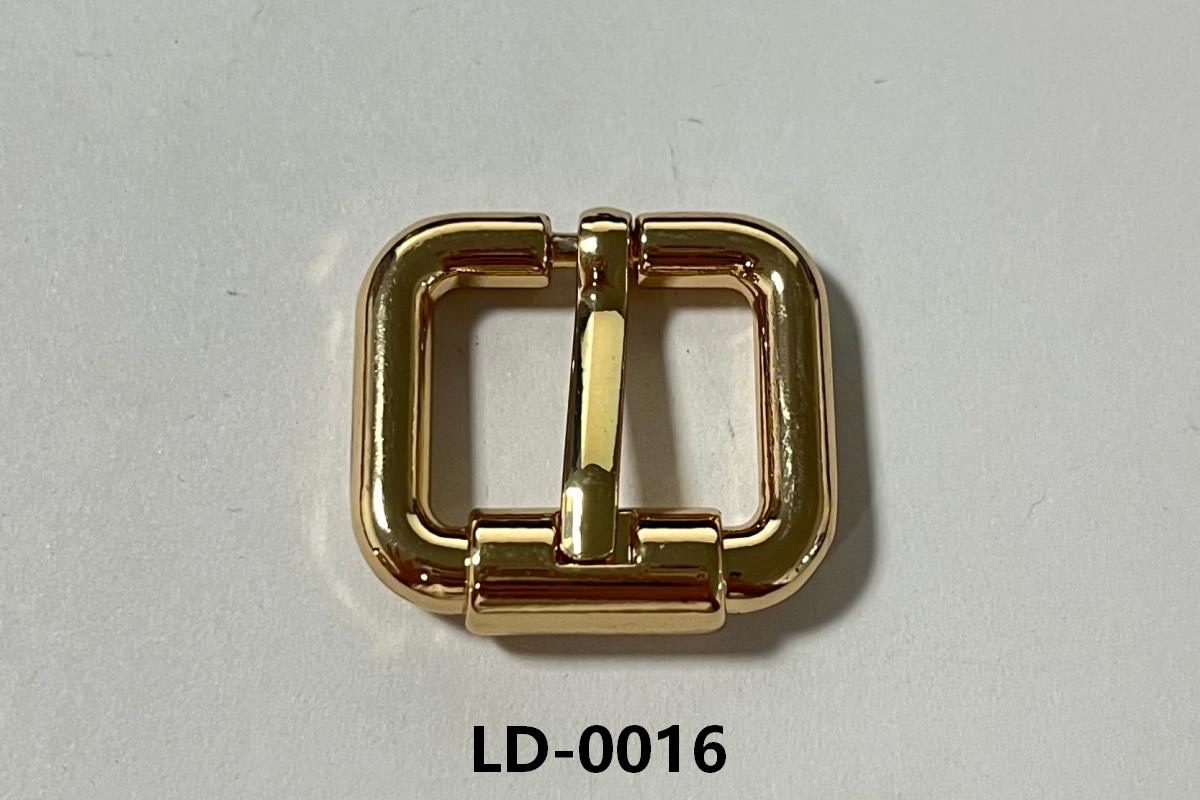
Some handbags are fastened with a strap that goes over the bag’s lid. You can refer to Longde Hardware LD-0016 for a double-hole pin buckle. The strap goes through the buckle frame, and the pins fit into the holes in the strap. When trying to fit it, use a real strap to check whether the width and thickness are appropriate. Also, make sure that the pins can pass through the holes smoothly, and that the strap fits well after being buckled.
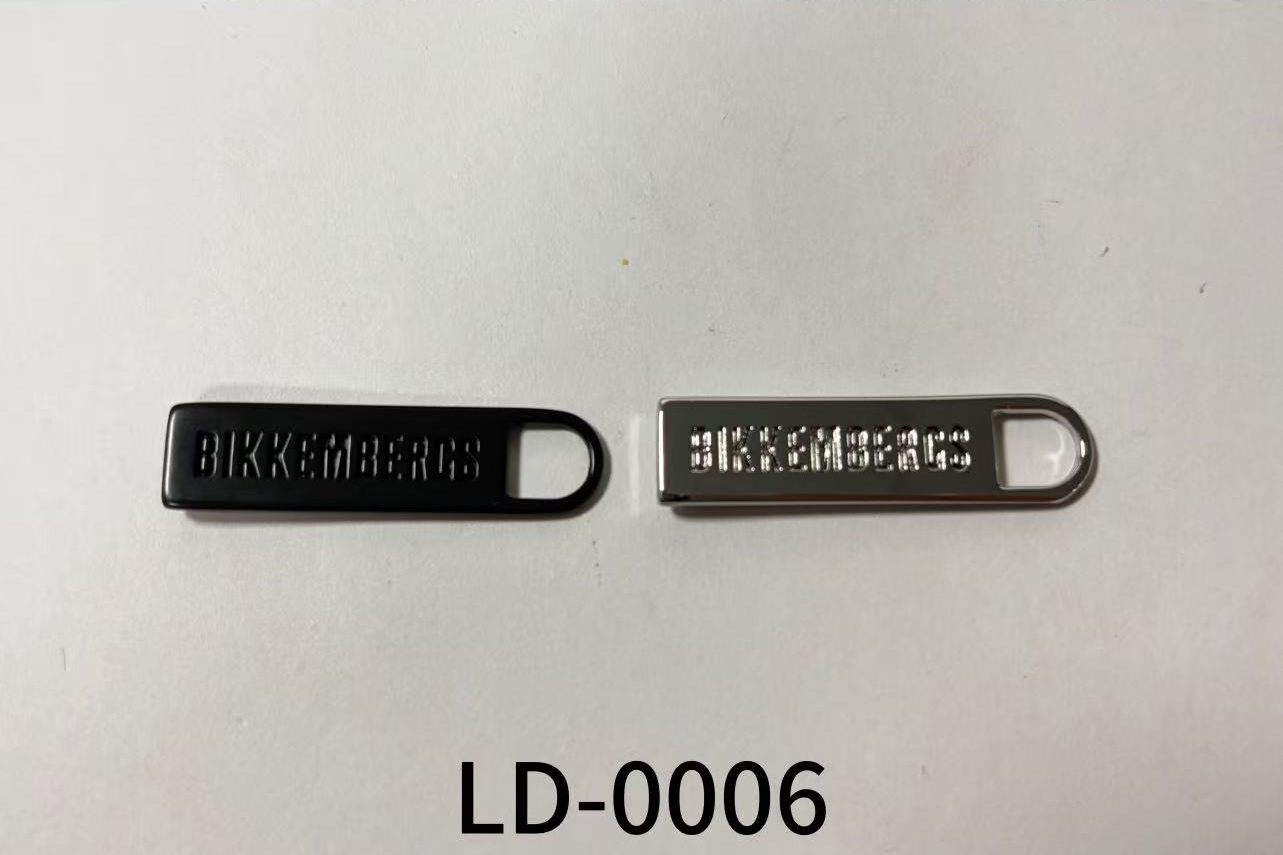
The zipper mouth should provide space for fingers to grip the zipper strip. The Longde Hardware LD-0006 zipper strip is a long strip, and you can test it together with the zipper teeth that you plan to use. When the zipper strip is placed against the side seam or under the leather edge, pay attention to whether it can be easily lifted, and whether it will rub against the bag's surface when pulled back and forth.
Connect the rings and bridge fittings to provide connections for the handles and straps.
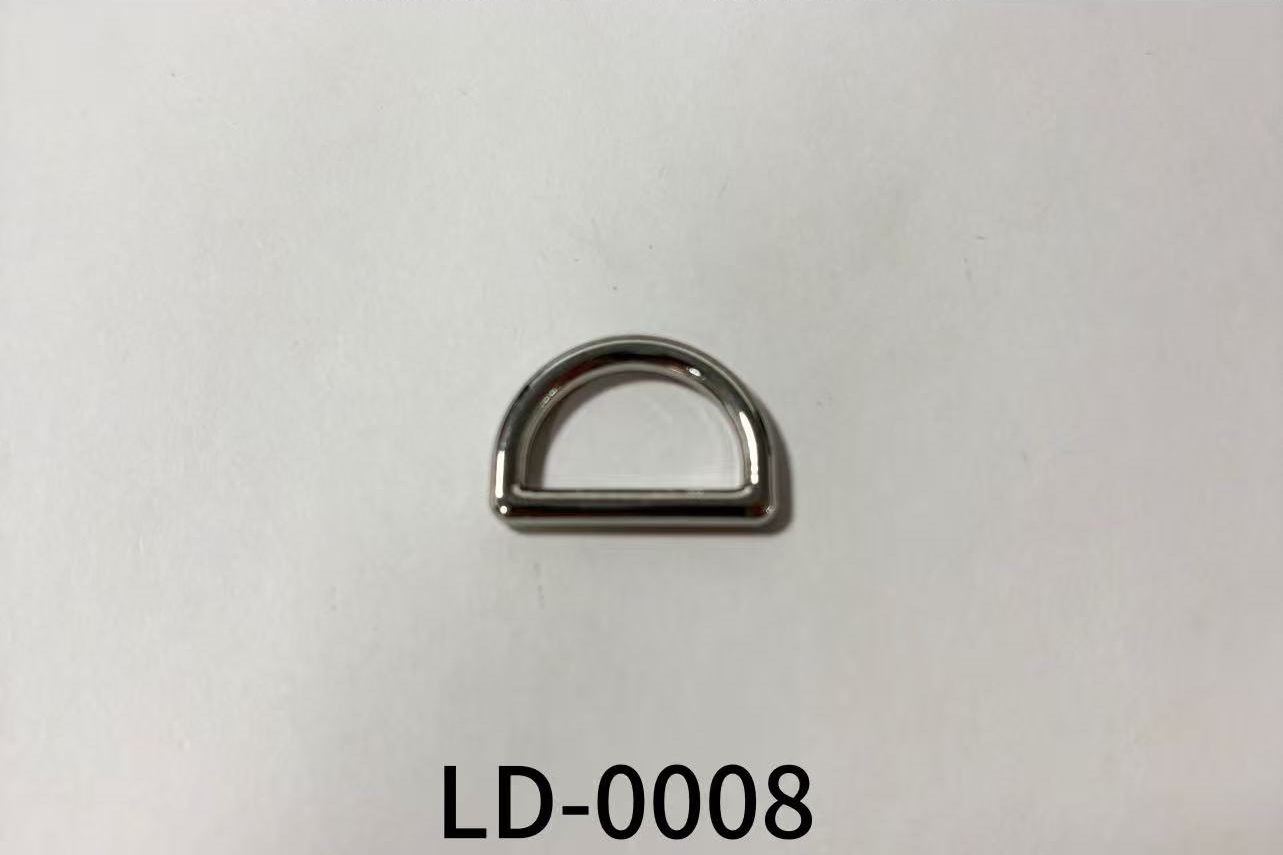
When using leather or woven straps for the side of the bag, you can refer to Longde Hardware's LD-0008 D-shaped connection buckle. The D-shaped buckle has a straight edge, and the material can be folded along the straight edge, making it easier to flatten. When selecting the ring, you can try on the folded material. If a shoulder strap is also needed for this ring, make sure there is enough space left to accommodate the buckle's rotation.
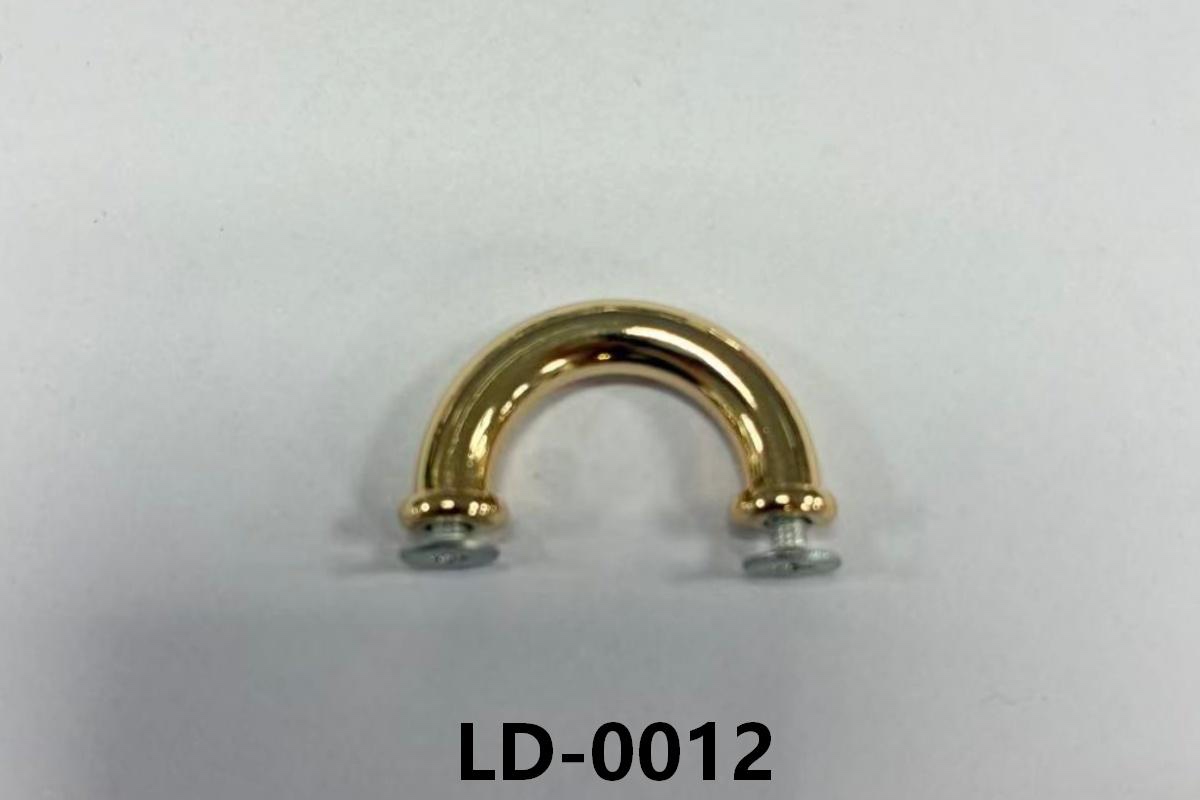
When both ends of the handle require mounting points, you can refer to Longde Hardware LD-0012 arc bridge. This type of component should be tested together with the handle end. The handle will pull inward when standing upright, and it may touch the bag opening when placed down. Pay attention to these two positions during testing, especially for bag models with zippers or flip tops next to the handle.
Snap hook tube assembly/disassembly, center-bar buckle tube shoulder strap length
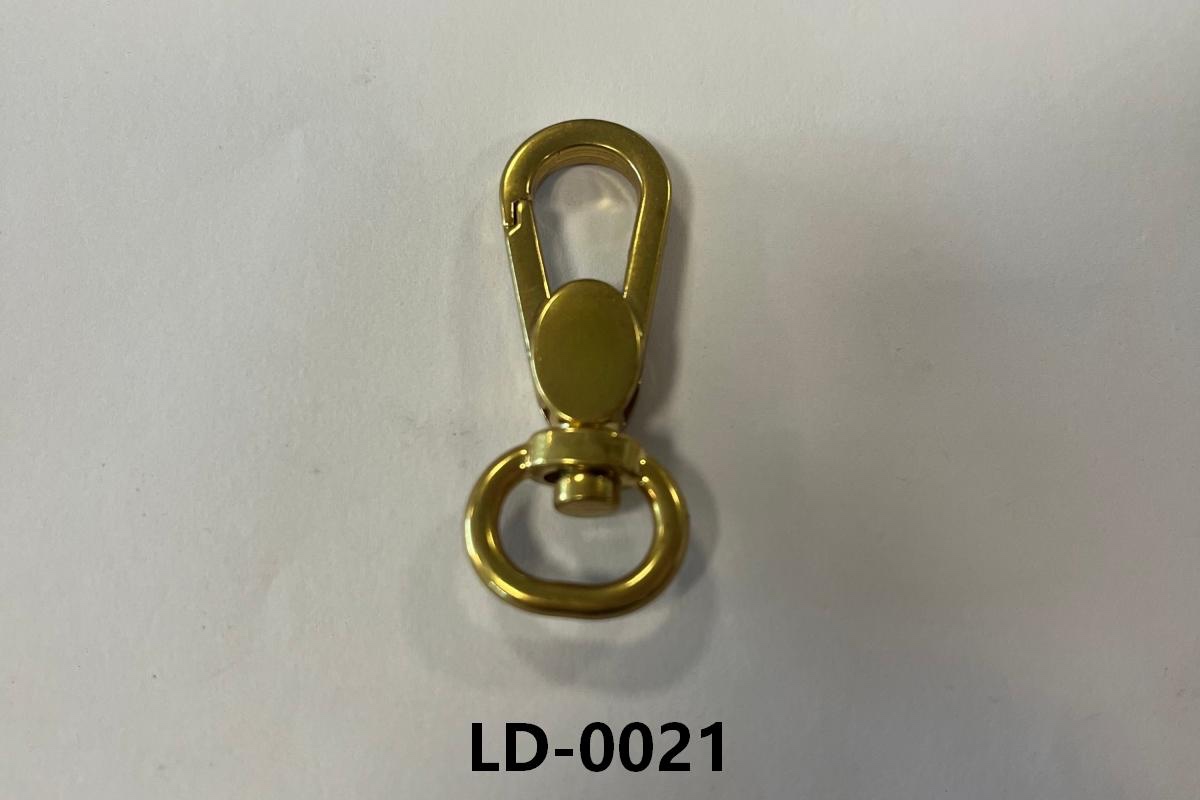
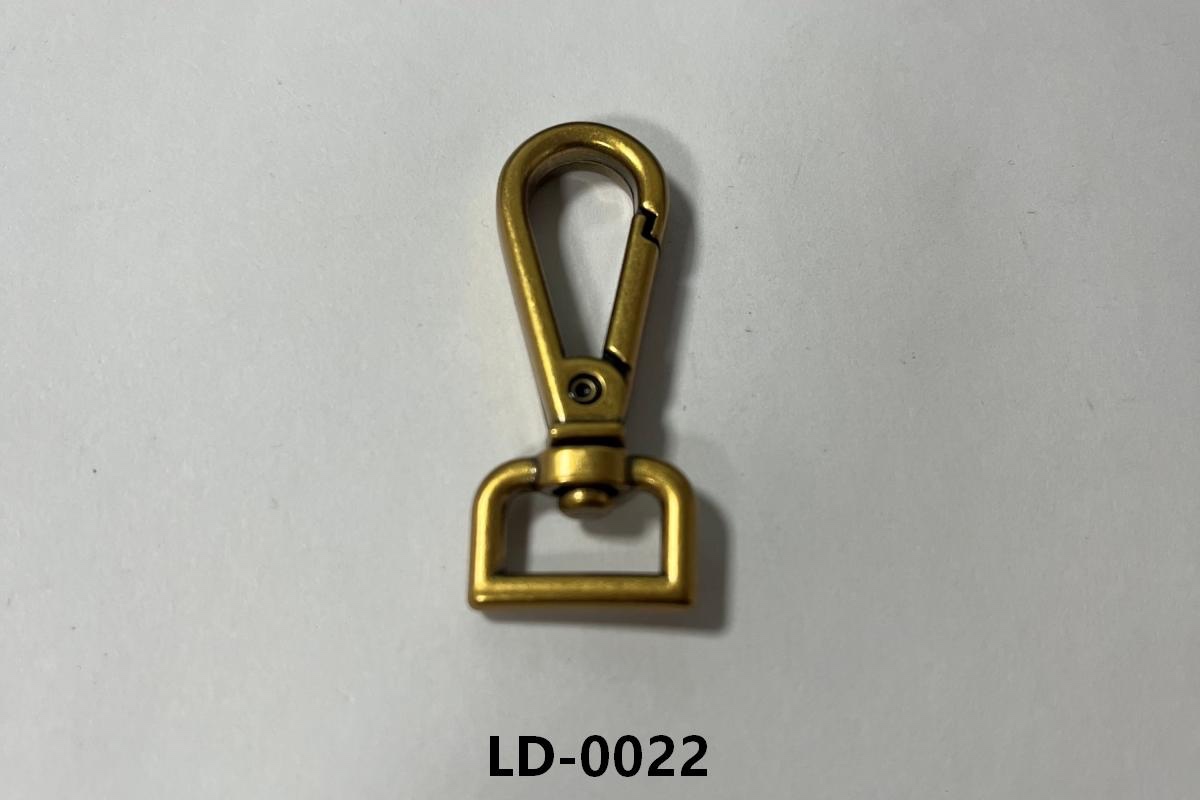
The spring hook used at both ends of the shoulder strap is called a snap hook in the product catalog of Longde Hardware. LD-0021 is an oval hook body snap hook strap with a round bottom ring. You can refer to its connection method with the chain strap. LD-0022 is a square bottom snap hook that can be used for flat straps. It depends on whether the inner width of the bottom ring can accommodate the strap body. Both models should be tested with a hanging ring on the side of the bag to ensure that the buckle can span over the ring body and close tightly when released.
For shoulder straps and cross-body straps, different lengths of straps are required. Longde Hardware LD-0009 day-shaped adjustable buckles can be equipped on the straps. The straps are looped around the middle crossbars, and the length can be adjusted by pulling the straps. After adjusting the straps to the commonly used length, put them on and try wearing them. If the straps are too thick, check if they will get stuck when pulled; if the straps are too thin, check if they will slide down after walking a few steps.
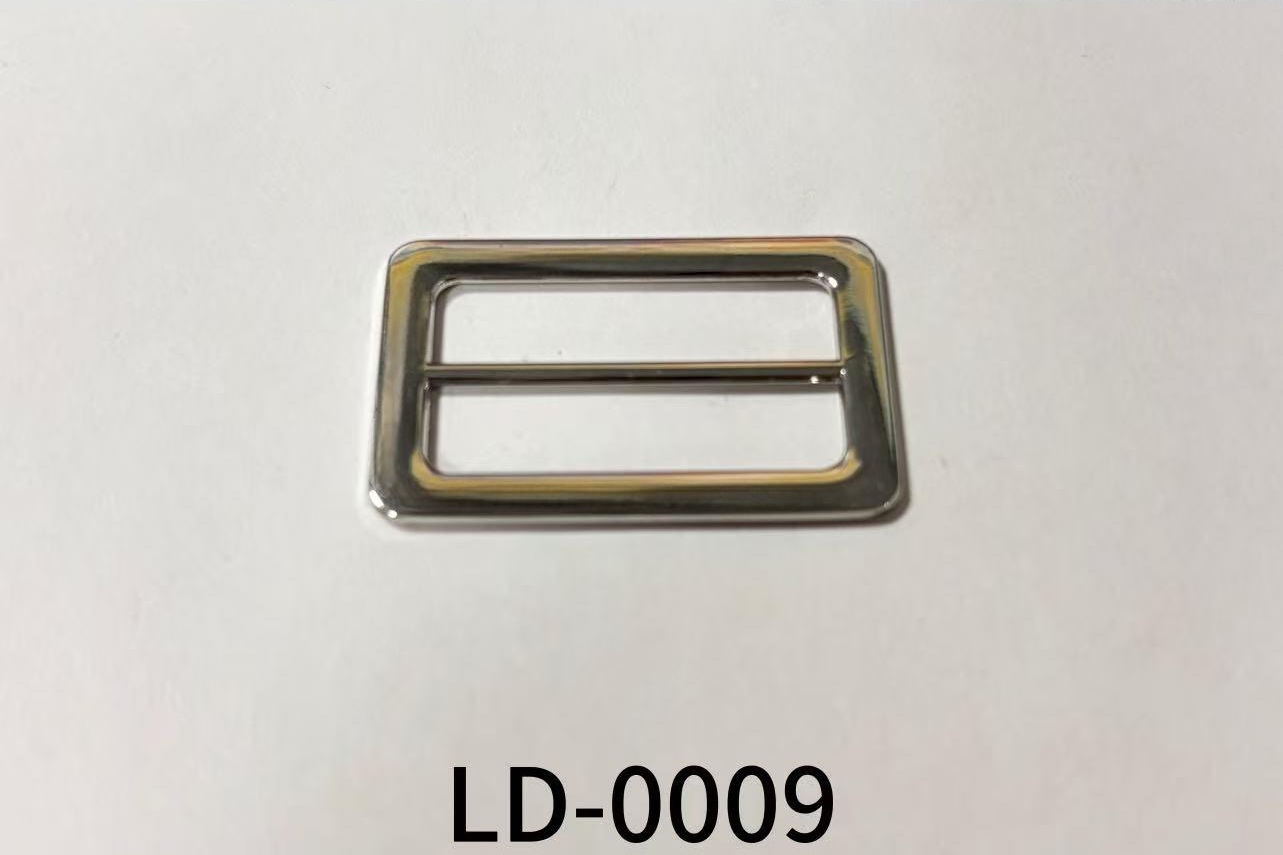
The strap can be used as a shoulder strap or as a short chain at the bag opening.
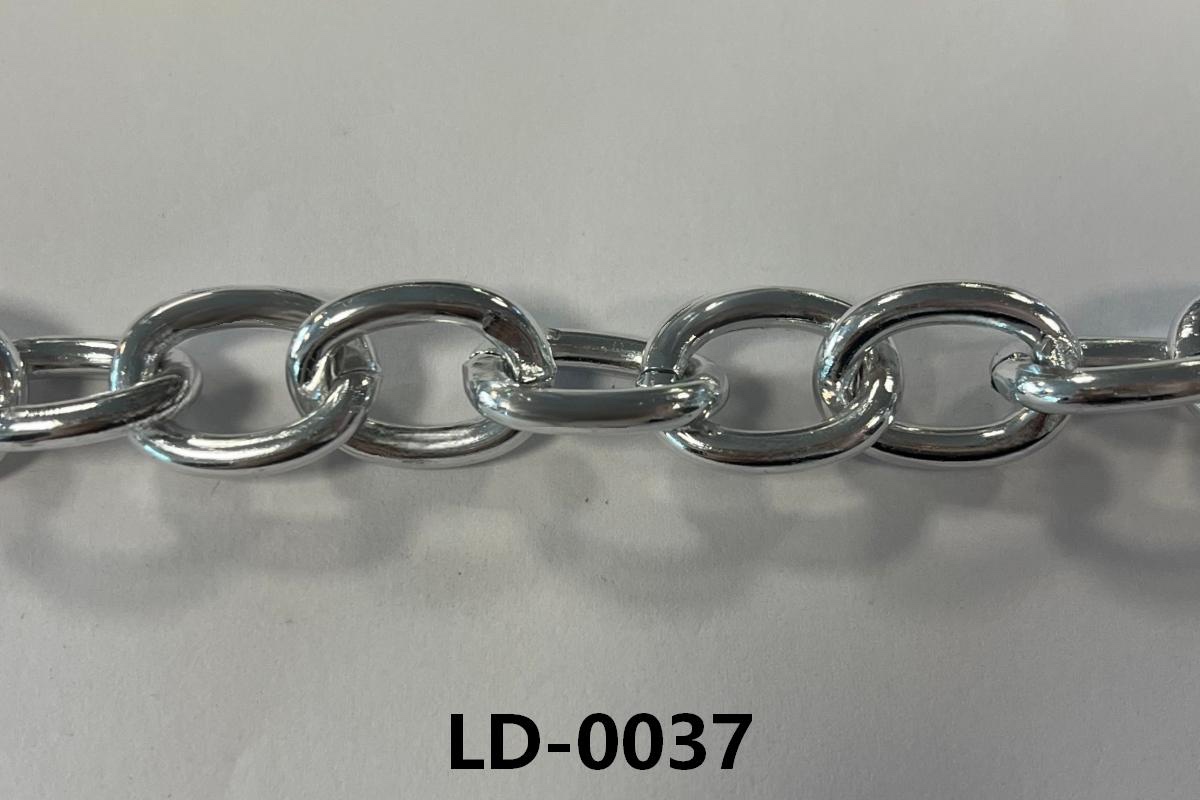
For making chain handles, you can refer to Longde Hardware's LD-0037 elliptical ring chain. You can also add a short chain at the bag opening for decoration, making sure the chain does not block the bag fastener when it hangs down. When making the chain into a shoulder strap, the hanging hooks at both ends should also be included in the finished product's length. When you get the sample chain, feel the joints of the chain links to check for any gaps or rough areas at the joints.
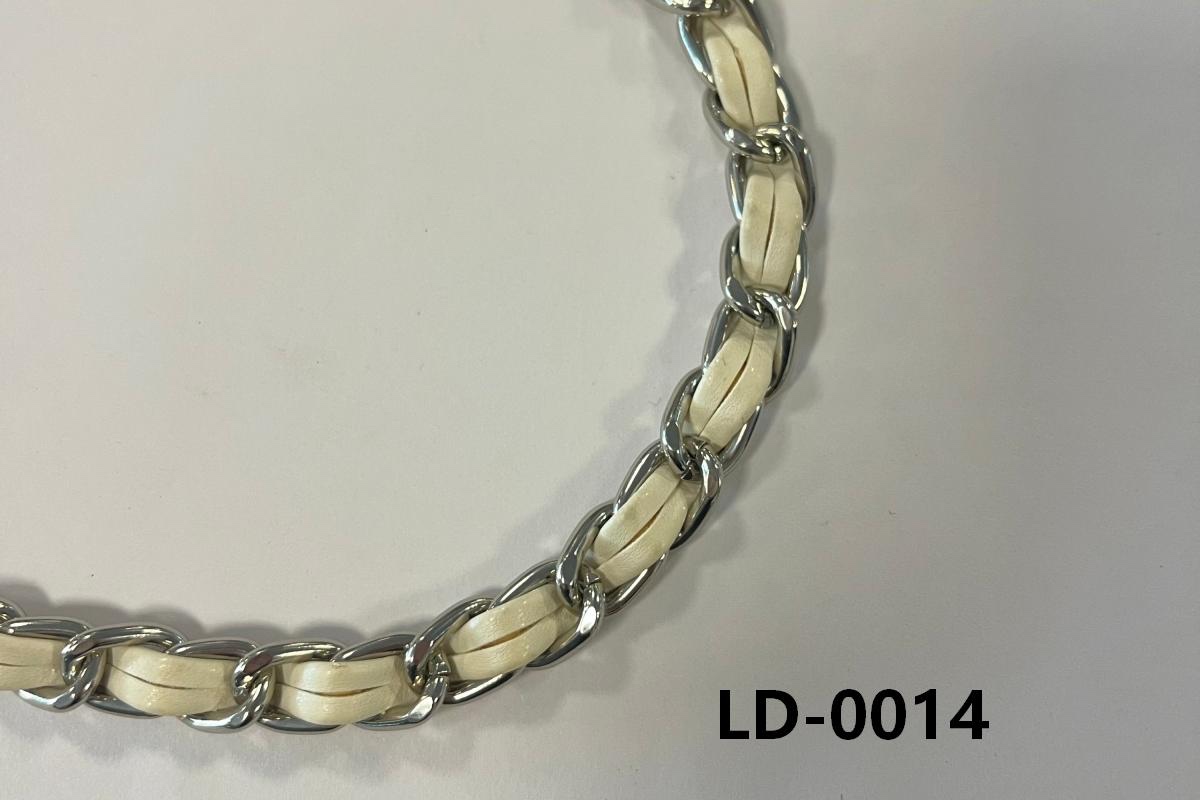
To create a slight harmony between the metal and the material on the bag, you can refer to Longde Hardware's LD-0014 chain accessory. The leather strip or fabric should be passed through the chain link, and the width and thickness of the material need to be adjusted by trial and error. When the chain is bent to the shoulder, the material should also be able to bend accordingly.
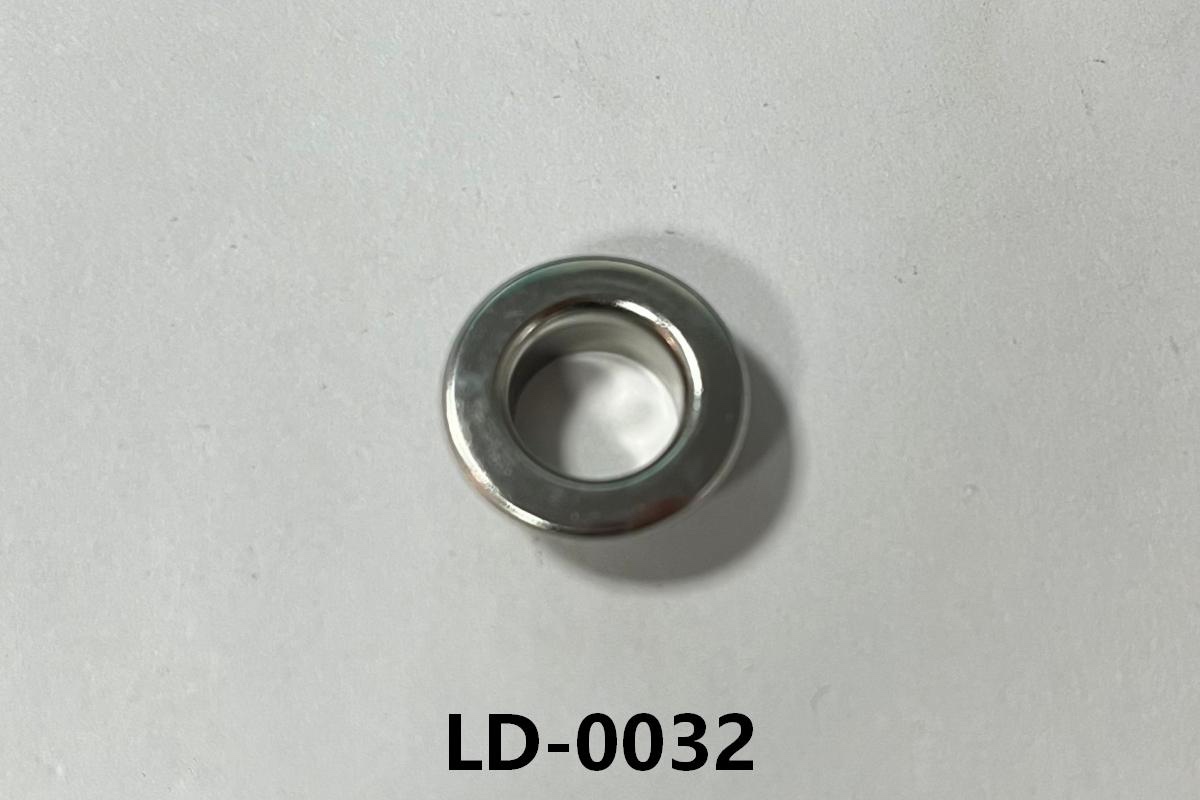
The belt tip is used to protect the edge of the hole, and the hoop is used to secure the belt tip.
The chain passes through the hole at the mouth of the package. The edge of the opening will always touch the chain link. Longde Hardware LD-0032 round air holes are designed for this type of hole. You can find them in the product catalog by looking for the corresponding holes. During prototyping, pull the chain through several times to see if the chain link gets stuck around the hole. Also, feel the back of the hole to see if it scratches the inner fabric.
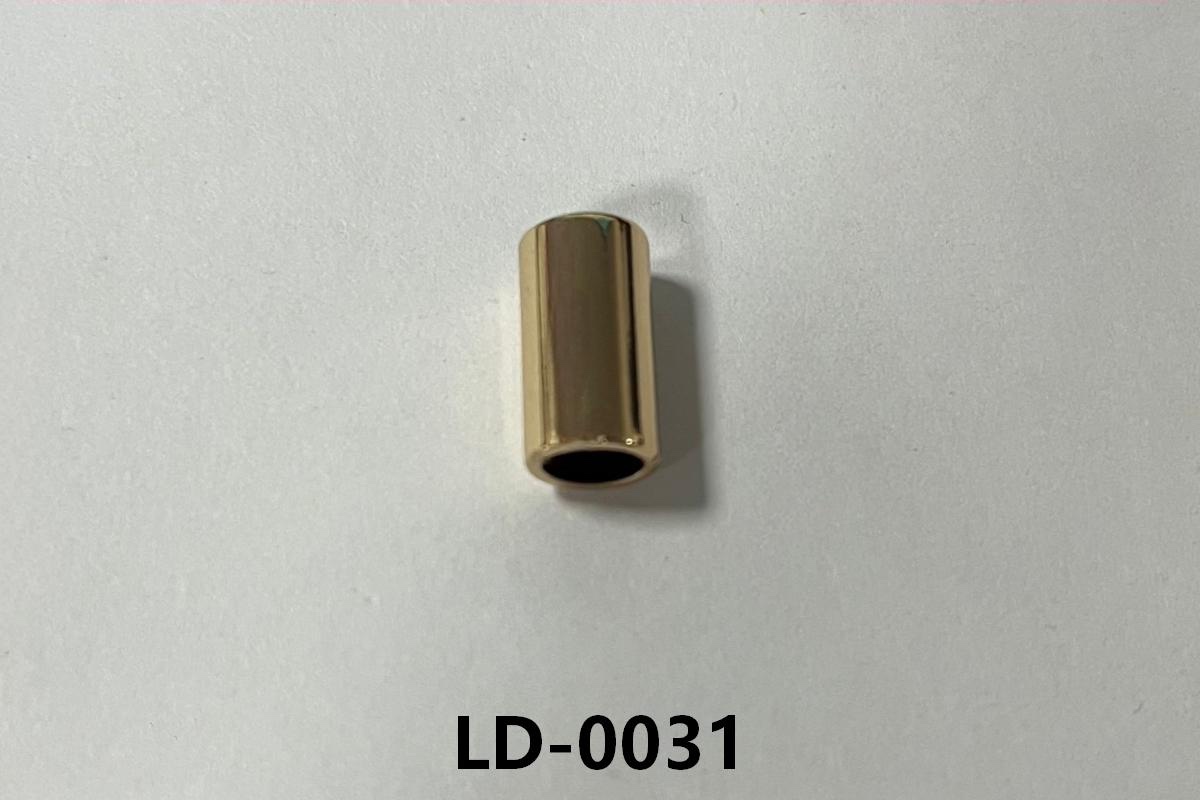
At the end of the drawstring or thin strap, you can refer to Longde Hardware's LD-0031 cylindrical strap hoop. When tightening and releasing the knot, people will repeatedly pull on this section of the strap. When choosing a strap hoop, bring it along to see if it fits neatly at the end after being installed, and whether it will not come loose when pulled gently.
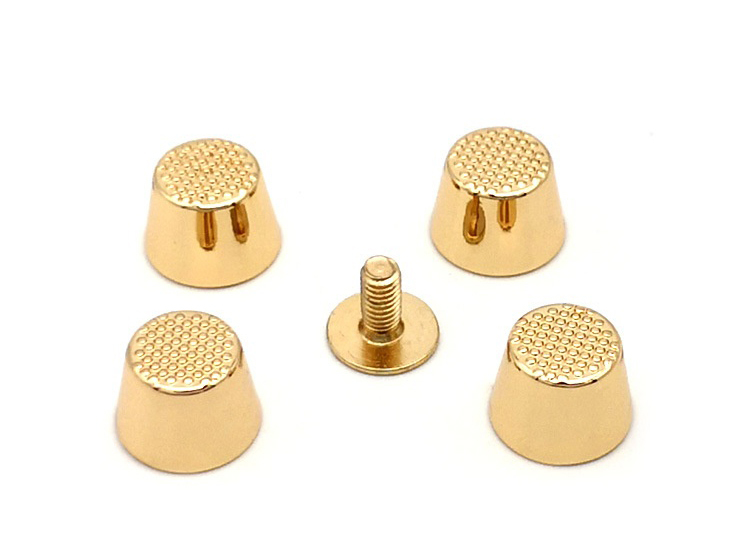
The bottom of the bag is secured with nails, and the surface of the bag can be marked with signs.
Hard-bottom handbags are often placed on tables or countertops. For reference, you can consider using Longde Hardware's No. 145 round spike. The position of the spikes should be determined together with the base plate. When the bag is placed down, all the spikes should be able to touch the ground. For styles with seams at the bottom of the bag, it's also important to check whether the seams will come into contact with the tabletop after the spikes are installed.
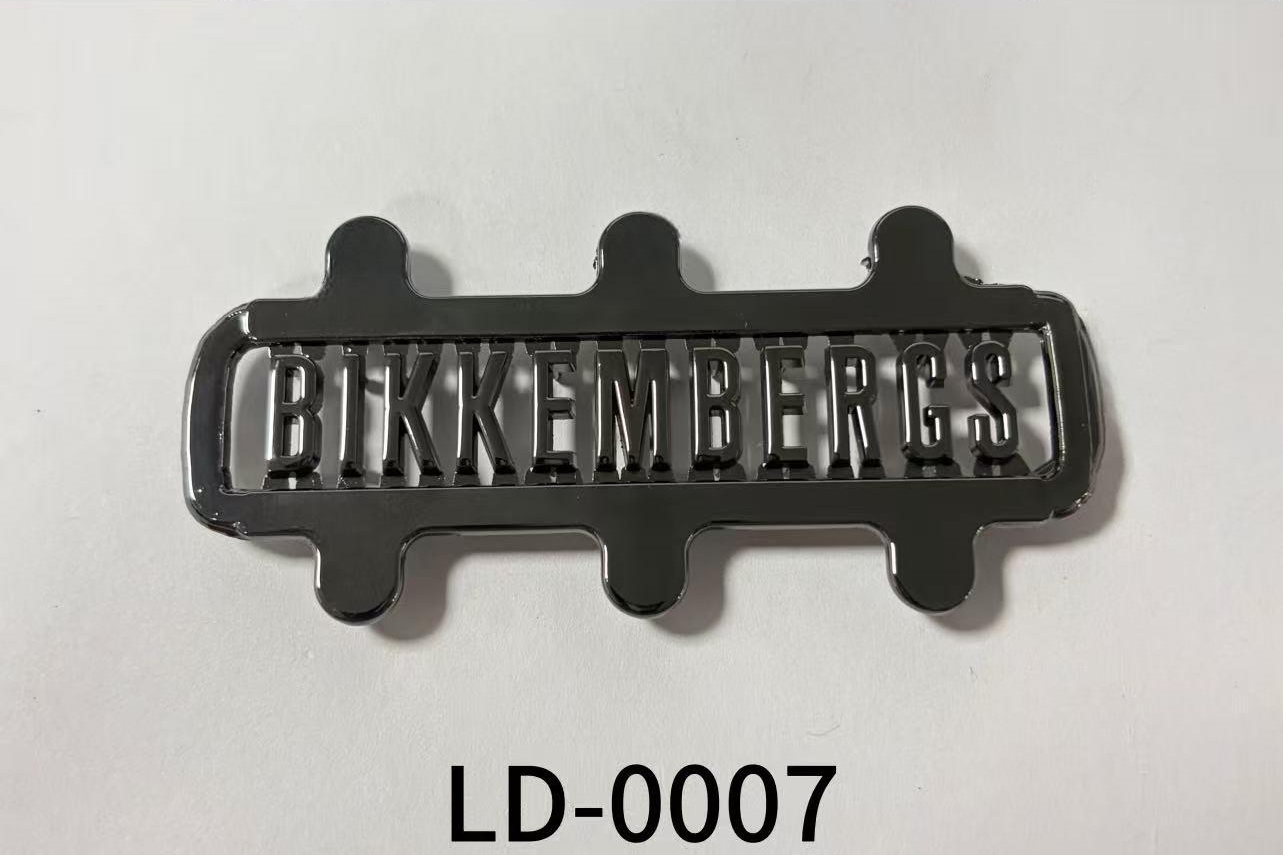
For the packaging surface, it is necessary to place labels. You can refer to the Longde Hardware LD-0007 letter decal. The position and size of the label can be tested on the packaging template. For example, if the label is placed close to the edge of the flip cover, you need to ensure that the leather surface is not lifted when the cover is folded down. For soft packaging, pay attention to the fixing points. After installation, the packaging surface should be flat, and the inner side should also consider the feel when hands are extended in.
During prototyping, place the hardware from the same package together for verification.
For example, a bag should be equipped with snap hooks, zipper pieces, and snap hooks. Three samples can be placed on the bag material to observe the color and luster under the same light source. Look at the corners, inner edges, and back of the bag to check if the plated coating is uniform. Pay attention to any burrs in areas that are frequently touched by hands. For parts that are involved in opening and closing or carrying weight, it is necessary to test the entire bag together.
When requesting a sample, please include the product number, the location of use, and a diagram of the package. For styles with shoulder straps, indicate the width, thickness, and the type of hanging rings or chains to be used. You can refer to the examples in this document for styles and usage details. Specific dimensions, materials, surface treatments, and load-bearing requirements should be confirmed based on the drawings and samples.