APPLICATION NOTES / Popular Science on Belt Hardware Applications
Belt hardware
and how it affects fit
When choosing a belt, the material, color, and length are usually the first things that catch your eye. Every day, when you fasten and unfasten it, sit down, or bend over, the impact of the buckle and other hardware fittings will become apparent. Understanding how the pin buckle fixes the tension, what the belt keeper and belt tip do, and paying attention to dimensions, craftsmanship, and weight can help you choose a belt that is more suitable for daily wear.
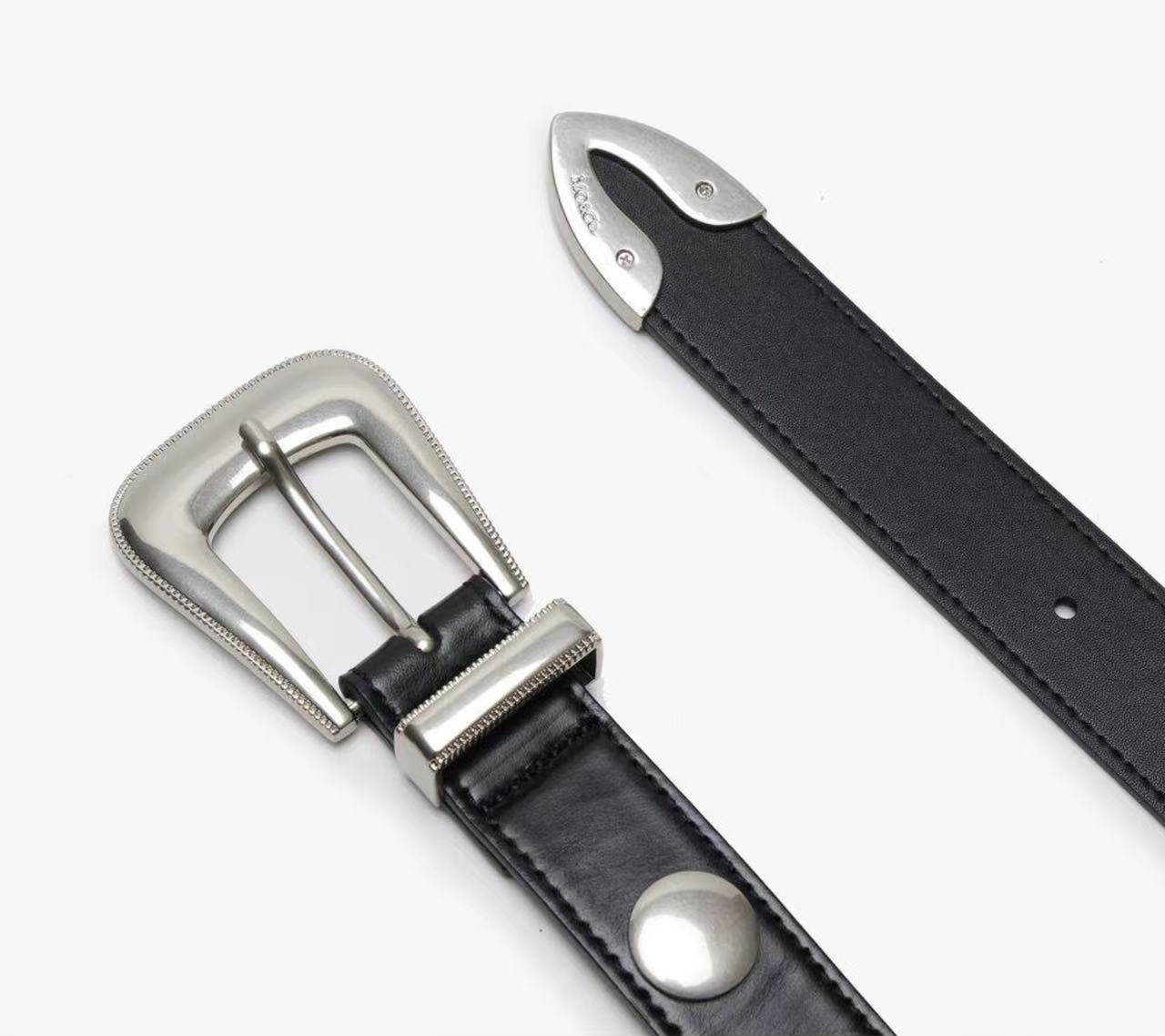
The buckle should be appropriate, and the fit should be comfortable. Hardware must be coordinated with the entire belt.
The belt that fixes the waistband needs to be fastened securely, with the right tightness. When paired with skirts or jackets, attention is also paid to the proportion of the buckle and its placement. The same pin buckle structure can be used with different widths, thicknesses, and hole distances, resulting in different user experiences.
01 / FASTENING & ADJUSTMENT
Pin buckle is a type of fastener that is secured with holes, and the position of the holes determines the range of adjustment in tightness.
The pin buckle is a common way of fastening a belt. The belt tip passes through the buckle frame, with the buckle pin inserted into the hole, and then the buckle frame holds the buckle pin, allowing the belt to be fixed in place. To unfasten, you need to slightly lift the belt tip, allowing the buckle pin to exit the hole, and then pull the belt back on.
This structure is adjusted by dividing it into different positions based on the holes. The distance between two adjacent holes determines the amount of adjustment needed each time. If one position is too tight and the next position is too loose, even if the total length of the belt is appropriate, it will still be uncomfortable to wear. When buying a belt, ask about the length measurement points and the adjustment range of the holes. During the trial wear, find a position that you commonly use and leave some room for relaxation or tightening.
The fit between the button and the hole is also worth considering. The button should be able to pass through the hole smoothly, and when closed, it should land in the appropriate position on the button frame. It should also be easy to remove when opened. If the strap requires forceful pulling and repeated bending to be fastened, it will be cumbersome to wear and remove in daily use. Moreover, the edge of the hole will be repeatedly squeezed.
02 / SIZE & COMFORT
The size, thickness, and weight of the belt will affect the comfort around the waist.
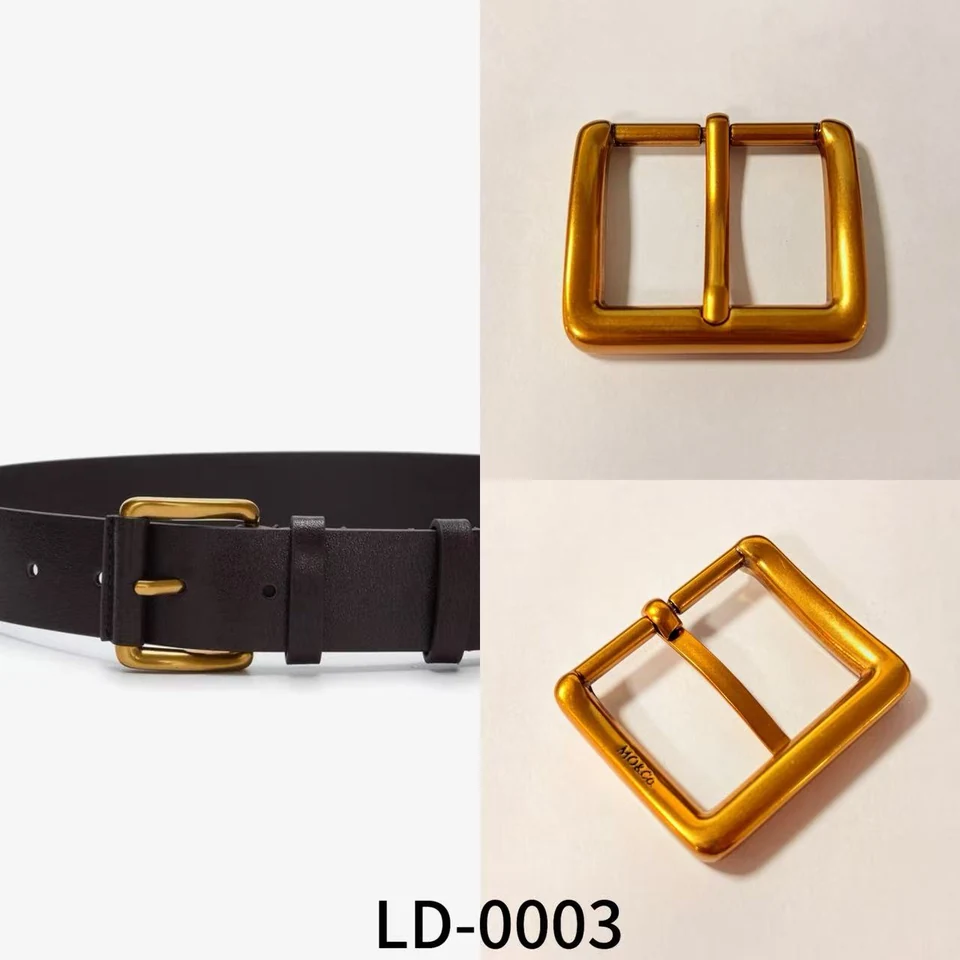
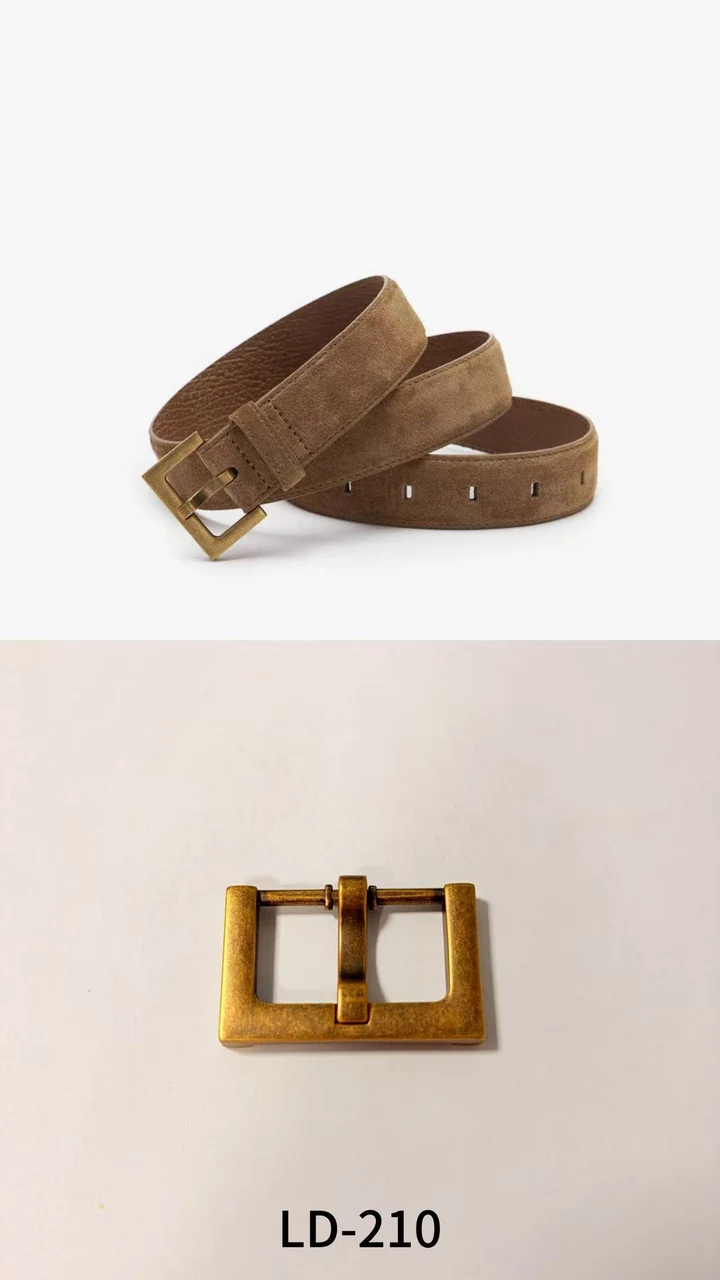
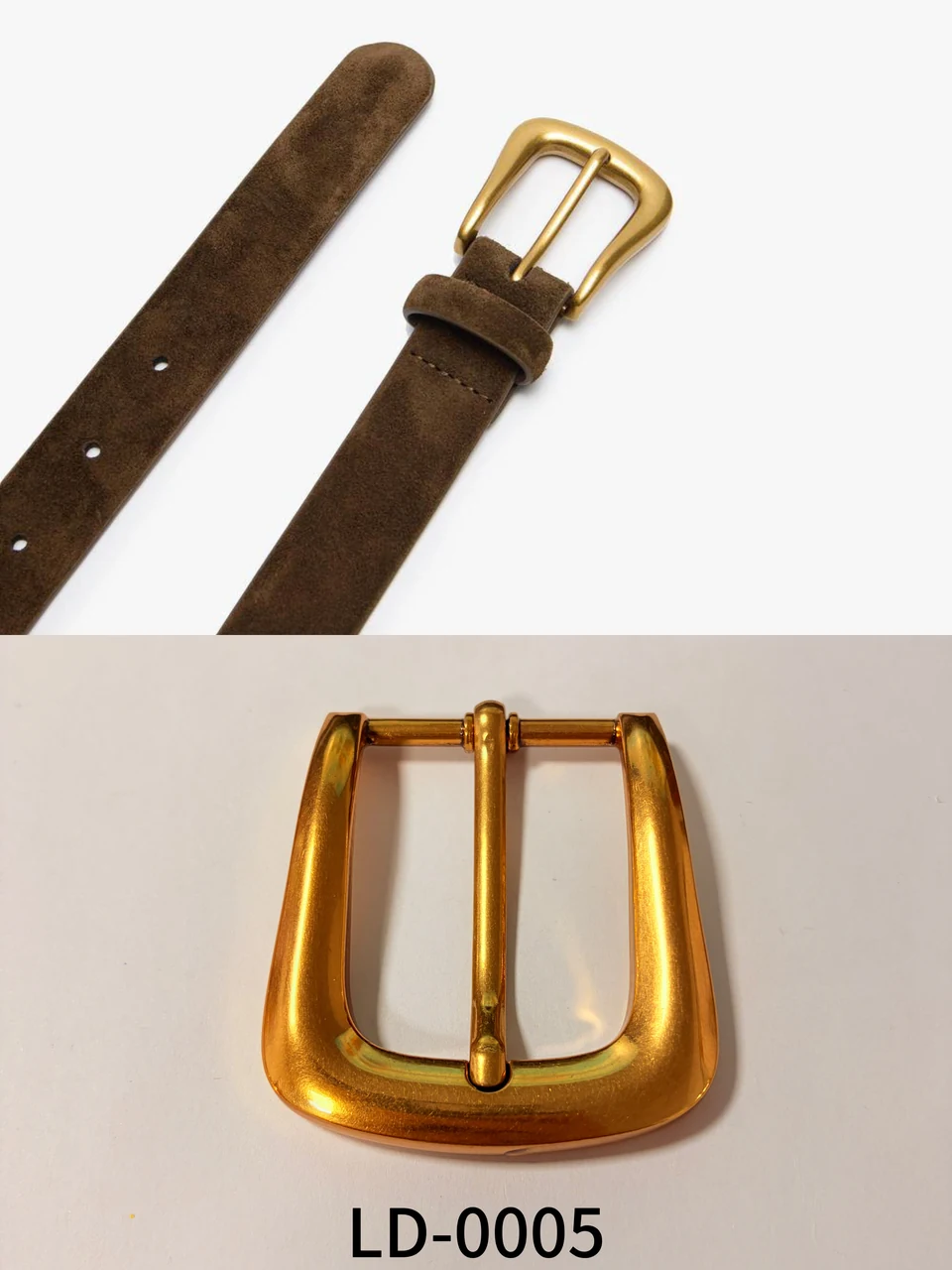
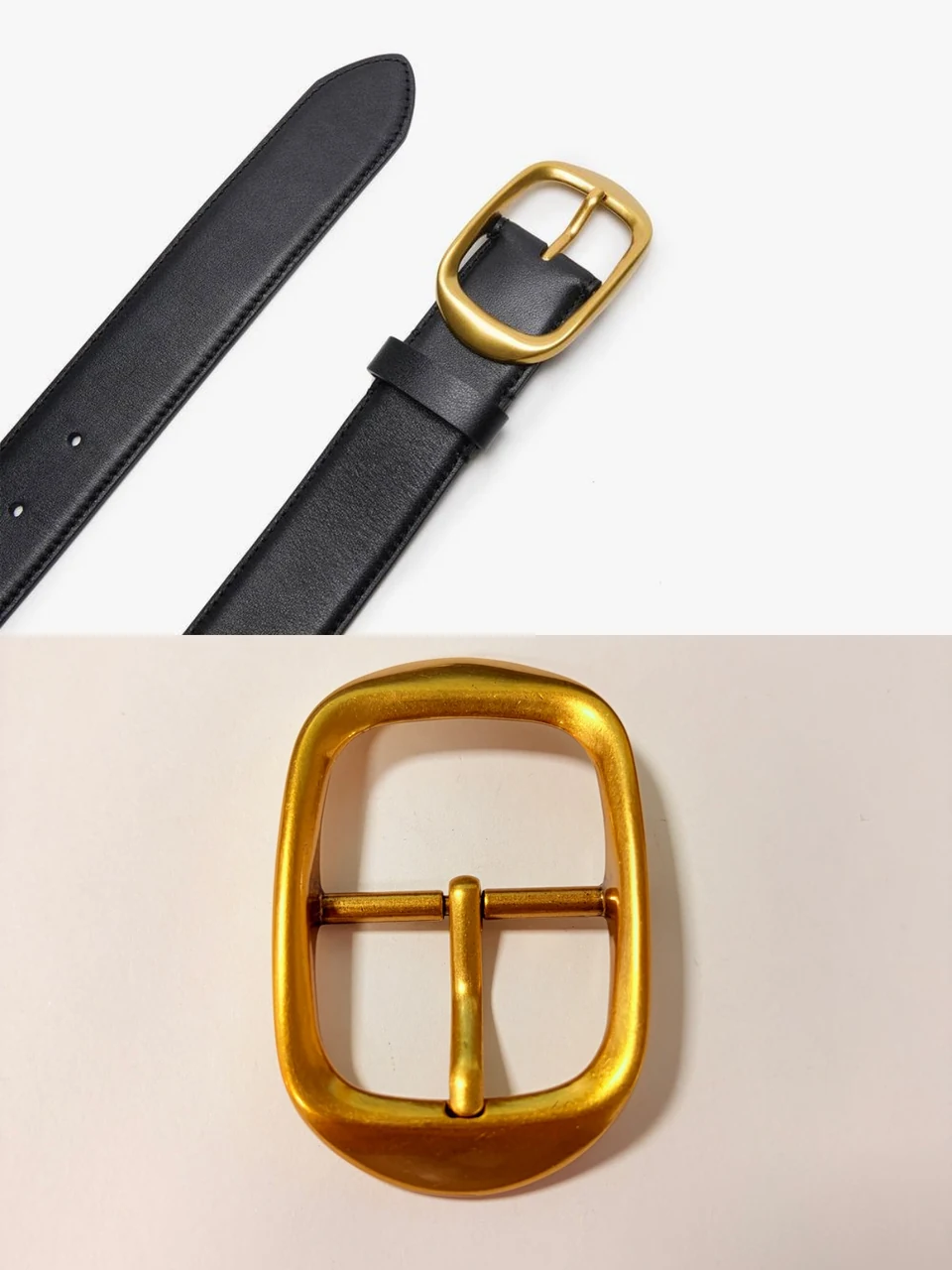
The shape of the buckle determines how much metal can be seen on the front side, while the space inside the buckle frame is crucial for ensuring that the belt can pass through smoothly. If the belt is too wide, the edges may be squeezed inside the frame; if the belt is too thick, additional space must be reserved for the overlapping parts during buckling. It's difficult to judge whether a belt is useful just by looking at its buckle outline.
When wearing, the buckle should be positioned in front of the waist and abdomen. It is suitable for standing, but may still hit the abdomen when sitting or bending over. Larger, thicker buckles, as well as those with protruding corners, should be paid attention to during the trial fitting. The weight of metal components should also be taken into account when comparing the feel of holding the belt in hand versus wearing it around the waist.
Narrow belts are often used for waist adjustment or decoration, while wider belts are commonly used to fasten the waist of pants. When purchasing a belt, try wearing your usual pants to ensure that the belt can pass through the waistband. After buckling the belt, it should fit snugly in front and not twist around the buckle. The shape of the belt can be square, curved, or oval, but whether it feels comfortable still depends on the actual size and the position where it is worn.
03 / KEEPERS & TIPS
The belt keeper is used to trim off excess length, and the belt tip is covered by the belt keeper.
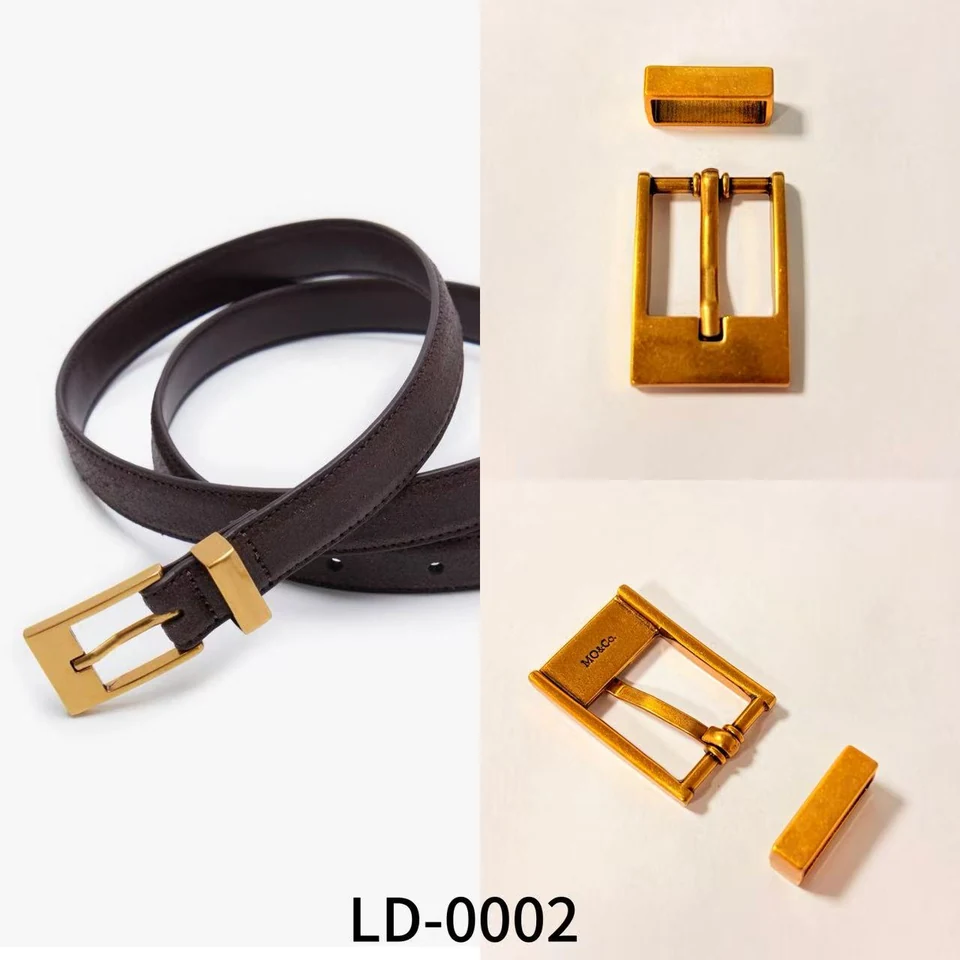
After the belt is fastened, there is usually a piece of material left hanging outside. The small loop next to the buckle is called a belt keeper, which allows this piece of material to pass through and be placed along the belt. The belt keeper can be made of leather or metal. If the loop is too tight, it will make it difficult for the material to pass through; if it is too loose, it can easily lift or slip out. The position of the belt keeper must also match the length of the material that remains after the buckle is fastened.
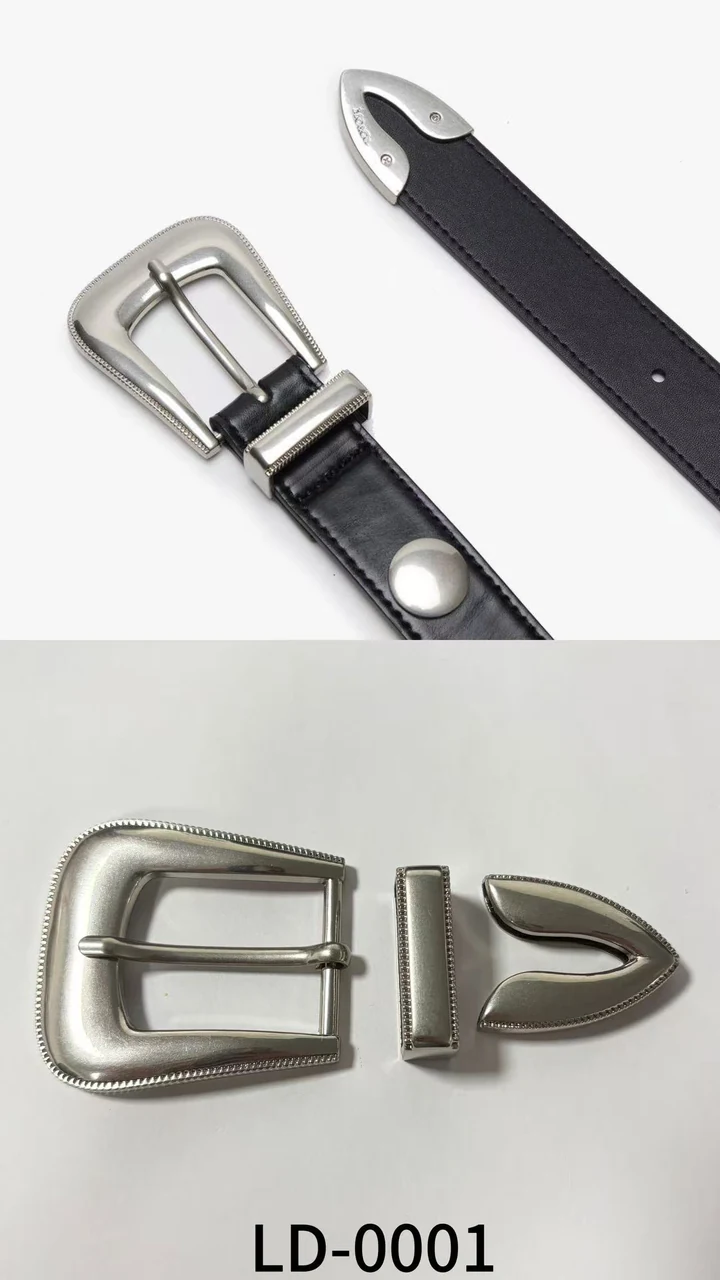
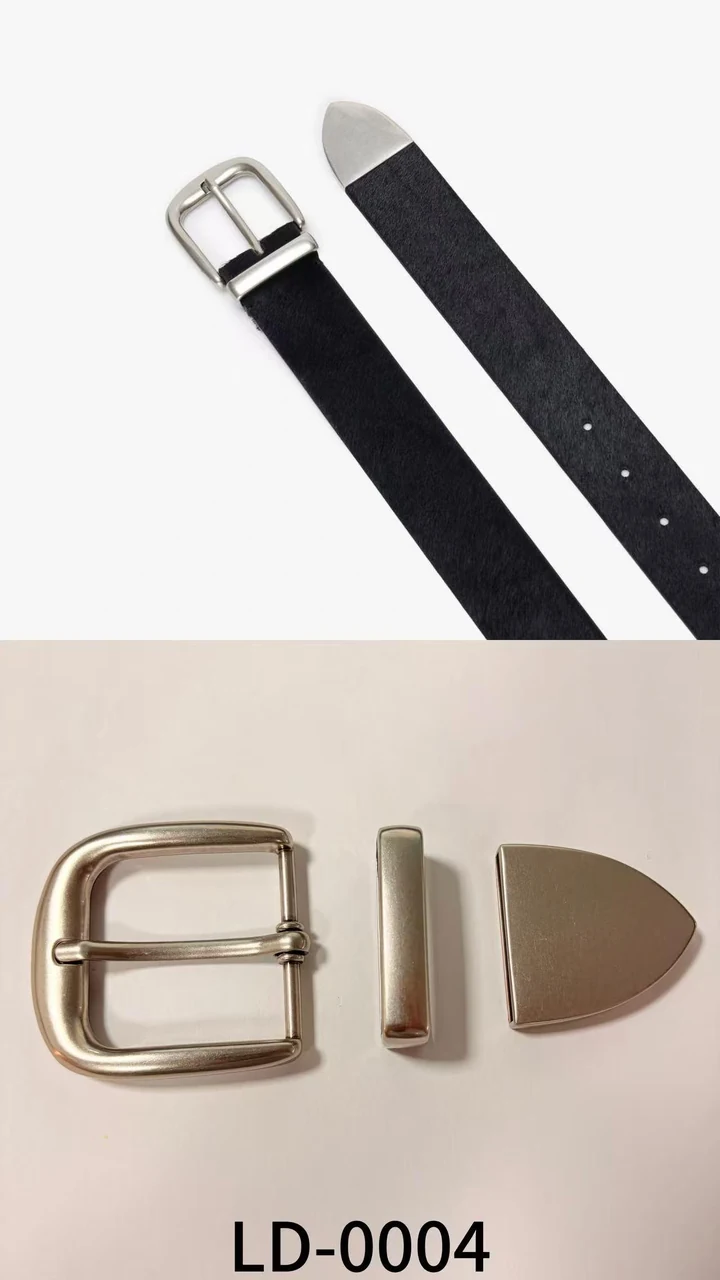
The metal piece attached to the end of the belt is commonly referred to as the belt tip or tail clip. It covers the edge of the belt and adds a metal detail to the belt. When a belt with a tail clip is worn through a belt keeper and waistband, the increased width and thickness of the metal piece must be taken into account. During the selection process, it is easy to detect whether there is any sticking by putting the belt in and out of the tail clip.
Both the belt tip and the belt keeper are areas that fingers often come into contact with. You can gently touch the edges to check if the seams and backs are smooth, if the fastening parts fit well, and if there is any looseness or curling. The belt tip is usually close to the trouser legs and the hems of jackets, and these details also affect whether the clothing will be scratched or damaged.
04 / COLOUR & FINISH
Color affects the matching, while the craftsmanship of the surface and edges affects the touch.
The buckle is usually the most prominent metal part of the belt. Golds, silvers, darker metallic colors, shiny or softer sheens, when paired with black or brown leather materials, can create different effects. Wearing watches or jewelry frequently, or habitually tucking shirts into the waistband, can be considered along with these dressing details. The color coordination of the buckle, metal belt rings, and belt tips can also affect the overall appearance of the entire belt.
When examining closely, you can turn the buckle slightly to observe the front, grooves, corners, and back. Check for any obvious blistering, exposed threads, peeling, or rough areas. Gently touch the edges of the buckle frame, the buckle pins, and the inside of the belt keeper to see if there are any sharp edges that could cause scratches. The surface luster is a common feature that catches the eye. The edges that are actually in contact with leather materials and clothing every day also need to be smoothed out.
Gold and silver are primarily descriptions of appearance. It is impossible to determine the internal material based solely on color. To understand the material and surface treatment, you can refer to the product labels or consult the seller. Whether you like the appearance, the texture, and the changes after long-term use need to be considered separately.
05 / ATTACHMENT & DURABILITY
The fasteners and fixing points are secure, ensuring that the belt can be used continuously.
After removing the belt buckle, the tension of the belt passes through the belt hole, the buckle pin, the buckle frame, and then reaches the connection point between the buckle and the belt. Therefore, when choosing a product, in addition to looking at the metal parts, it is also important to examine the actual fixing parts such as the folded leather material near the buckle, the threading, rivets, or screws. Areas that show obvious looseness, skewness, or cracked leather are worth asking the seller about in detail.
In use, the buckle rotates repeatedly, and the belt passes through the buckle frame and the buckle itself. The metal surface may also come into contact with sweat and moisture. The strength of the component, the durability of the moving parts, and the wear resistance and corrosion resistance of the surface are crucial to determining whether the buckle can be securely fastened, whether the operation is smooth, and how the color changes. These properties require consideration of materials, structures, surface treatments, and corresponding tests to evaluate. They cannot be determined solely by the brightness of the new buckle or the weight in the hand.
Consumers can adjust and unlace the item in the usual manner. Pay attention to whether the buckle moves smoothly and whether there are any obvious abnormalities at the connection points. If the merchant provides durability or testing specifications, it is also important to check the corresponding model and testing items. A trial wear can help determine if the item feels comfortable, but its long-term durability still depends on product specifications and usage performance.
06 / CHOOSING A BELT
When choosing a belt, try the actions you usually do.
First, think about where the belt will be worn. When securing the waistband, pay attention to the waistline, belt width, and elasticity. When pairing with skirts or coats, consider the waistline position, the thickness of the fabric, and the size of the buttons that show. Once the purpose is clear, it will be easier to make a choice when comparing metal colors and designs.
Close it, then change to another hole position.
Find a natural and suitable position, and check if there is still room for adjustment on either side. If one hole is tight and the next hole is loose, it is necessary to compare the hole spacing or choose another style.
2. Put on the belt tip, then pull it out.
Let the belt tip pass completely through the belt keeper and the waistband. This is especially important for styles with metal belt tips. Pay attention to whether it gets stuck, and whether it tends to lift up after being adjusted.
3. Sit down, bend over, and feel the pressure on your head.
Try on the belt for daily wear to feel whether it touches the abdomen, whether the edges are uncomfortable, and whether the weight of the belt is suitable for you.
4. Look at the back and ask for clarification on the instructions.
Inspect the connection points of the buckle and the metal edges, inquire about the material, surface treatment, care, and maintenance methods. If the buckle needs to be replaced or shortened in the future, it is important to confirm whether the structure of this belt can support such changes.
A belt that suits you requires a combination of leather material, length, and hardware. A properly fastened belt that can be securely retracted, comfortable when sitting down, along with the color and style you prefer, these everyday feelings are more helpful in making a choice than just looking at the size or brightness of the buckle.